Introduction:
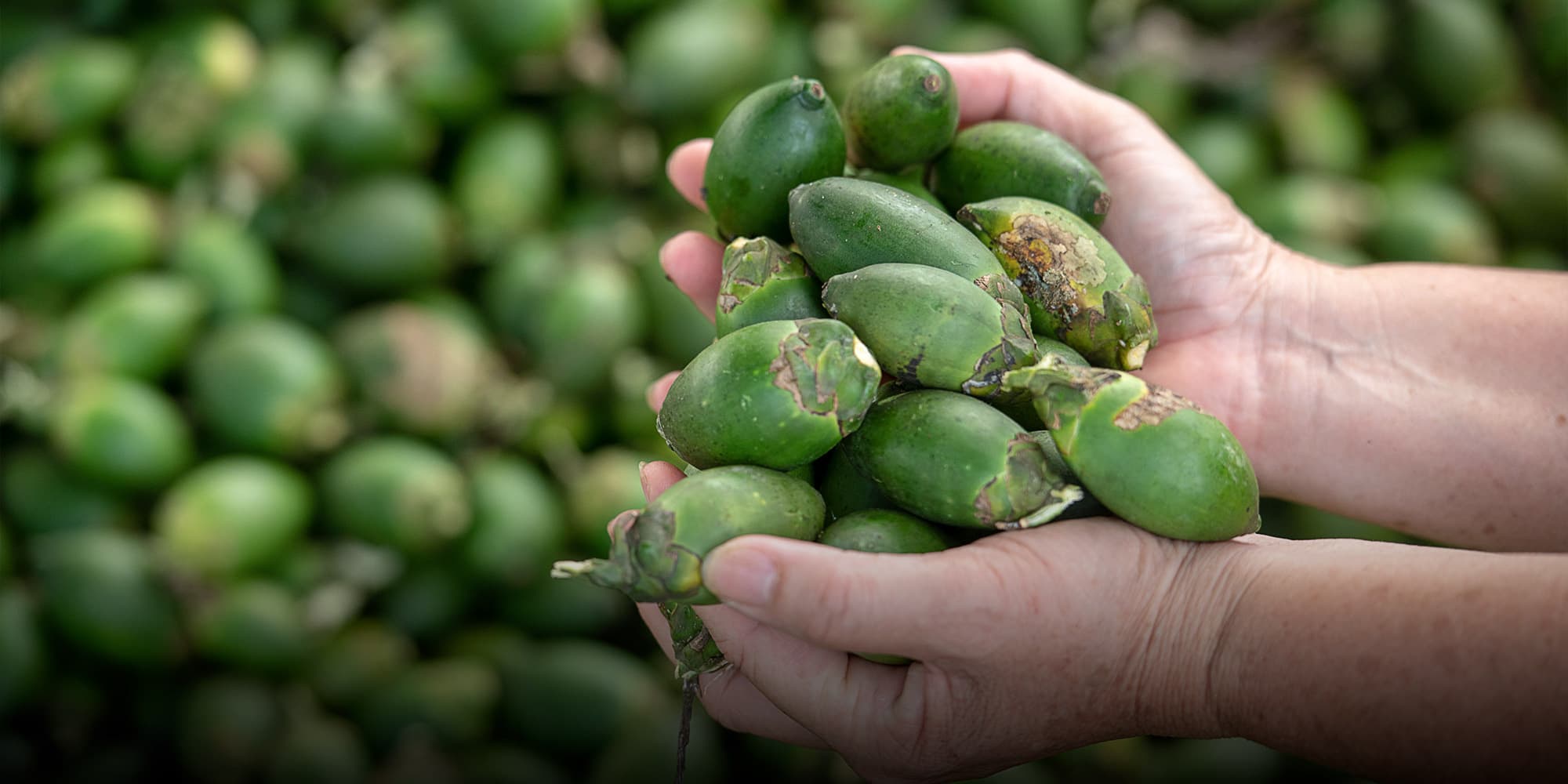
Oral cancer is a common type of disease that affects the surrounding mouth area, such as the lips, tongue, gums, and cheeks. Oral cancer is a prevalent type of disease that is found globally and is independent of ethnicity alone. Environmental factors like diet can play a crucial role in the development of oral cancer, such as areca nut (betel nut), prevalent in South Central Asia and the Pacific Islands, where it is common in their cultural habits. However, the nut itself is carcinogenic and has been linked to oral cancer development through cellular damage (regarding the tooth's composition) and DNA mutation.
Methods:
Researchers utilized a large array of national survey data for their analysis study on global health, observing the global rate of oral cancer and the degree of areca nut use. Using statistical models such as the population attributable fraction (PAF), researchers were able to estimate how many cancer cases are attributable to these habits.
Results:
There is a strong correlation between areca nut use and the risk of oral cancer, where around 1 in 3 (33%) of oral cancers globally are linked to areca nut use. In 2022, 120,000 oral cancer cases were caused by smokeless tobacco and areca nut. Furthermore, the prevalence of oral cancer is predominantly clustered among men (77%) than among women (23%), where countries that are less developed have a higher areca nut usage due to ties rooted in cultural and regional influences. The compounds within areca nut, such as arecoline, promote chronic inflammation in the oral lining, which, over time, can lead to tissue damage, increasing the likelihood of oral cancer development. With daily chewing on areca nuts, prominent in certain regions due to cultural habits, this repeated cellular stress can disrupt normal DNA repair processes and also pose a risk to children of these prominent regions who are influenced by their peers and community.
Conclusion:
The research article discusses how oral cancer can be formed through external factors—the use of areca nut. An economic disparity is partly attributable to the cause of oral cancer, where less developed countries (Pacific regions and South-Central Asia) have a higher tendency to use areca nut in their daily life. Ultimately, the study indirectly emphasizes the importance of reducing specific habitats to significantly reduce rates in a lot of affected communities.