Introduction
Have you ever noticed that laughing with friends or watching a funny video online can make you feel much better, especially after a stressful day? Or how an awkward laugh can lighten tensions within a stressful setting? Laughter is a positive sensation that is a useful and healthy way to overcome the everyday stresses of life.
Stress is the body’s natural response to challenging situations. However, consistent, long-term stress can negatively affect both physical and mental health. Recurring stress can lead to depression, in which neurotransmitters in the brain are significantly reduced, leading to alterations in the brain's mood-control circuit. Depression is one of the most important emotional issues in the elderly, requiring intensive attention and intervention. The patient and affected family members suffer from high stress as a result of the difficulties of the mental disease. Laughter can make physical, psychological, and social relationships healthy, ultimately improving the quality of life.
Laughter therapy is a cognitive-behavioral type of therapy that is noninvasive and non-pharmacological and does not require any specialized preparations or cost, making it accessible to all. The clear viability of the therapy has caused the medical community to attempt to integrate laughter therapy into more traditional therapies to make the human body and soul healthy.
Discussion
Laughter
Laughter is defined as a physical reaction consisting of rhythmic contractions of the respiratory system as a response to either an external or internal stimulus. It is considered the expression of positive emotional states (joy, happiness, ecstasy) or contrary emotional states (embarrassment, confusion, unease), often sounded through the constant expression of a continuation of short vowels such as “ha-ha” or “he-he” in English. Laughter is a natural phenomenon that occurs as a result of a joyful feeling, physical stimulus, behavior, appearance, etc.
Laughter Theories
There are three specific categories in the theories of laughter: arousal, discrepancy, and superiority. The arousal theory suggests that laughter shows a complex interaction of the mind and body between cognition and emotion; stress can increase arousal, while laughter can ease arousal and therefore reduce stress. The discrepancy theory states that people laugh when there is a mismatch between an expected situation and what actually happens. The theory can be illustrated through this example: A serious, formally dressed CEO slips on a random banana peel. The final theory- the superiority theory- states that laughter arises from a feeling of superiority over the misfortunes of others. This theory believes that laughter restricts the external environment and raises an individual’s confidence.
Categories of Laughter
Five main categories of laughter include spontaneous laughter, simulated laughter, stimulated laughter, induced laughter, and pathological laughter. Spontaneous laughter is an involuntary, natural reaction to something funny or absurd; simulated laughter is a self-initiated, conscious, voluntary choice; stimulated laughter is a response triggered by external sensory factors; induced laughter is the result of specific drugs that invoke laughter; pathological laughter is the neurological condition that causes uncontrolled laughing that does not match the person’s actual mood.
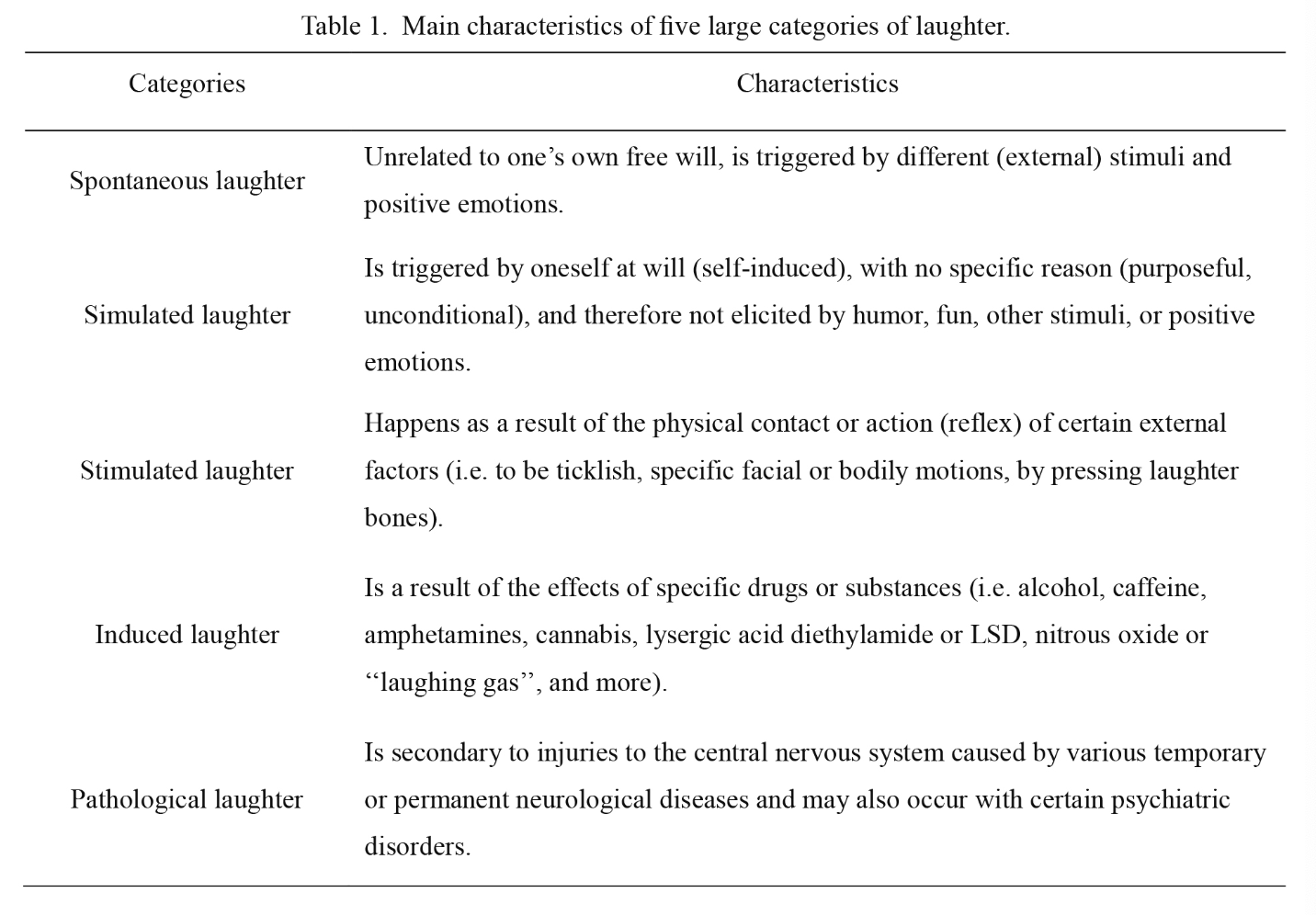
Table 1. Main characteristics of five large categories of laughter.
Physiological and Psychological Effects of Laughter
Laughter has many positive effects that involve many systems in the body. Some physiological outcomes include the relaxation of muscles, increased circulation, and enhanced mental functioning. Psychological effects of laughter include reduction in stress, anxiety, and tension, improved quality of life, and enhanced interpersonal connection.
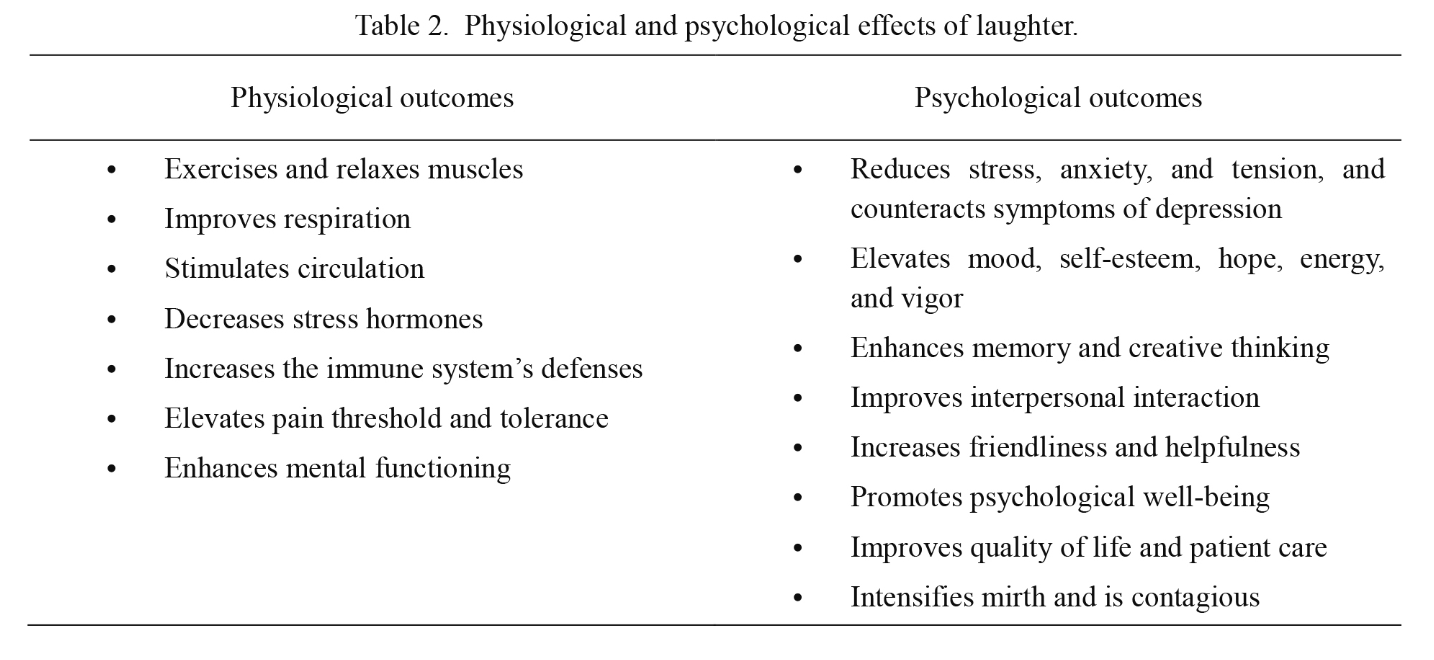
Table 2. Physiological and psychological effects of laughter.
Laughter Therapy
Laughter therapy is a complementary mind-body practice that utilizes laughter, smiling, and pleasant feelings, and enables interaction. It is a simple and inexpensive approach that does not require medication or special equipment. According to the American Association for Therapeutic Humor (AATH), laughter therapy includes activities that bolster a patient's well-being using interesting experiences and expressions, particularly to incite laughter. Current research shows that laughter can lower stress hormones and help the body relax, and also improve mood by affecting brain chemicals associated with happiness and emotional regulation, including dopamine, serotonin, and endorphins. Laughter therapy can be used alongside cancer care, chronic pain management, and in addiction recovery and mental health settings to reduce anxiety, depression, and other stress-related triggers.
Conclusion
The phrase "laughter is the best medicine" may hold more scientific truth than we realize. Laughter not only brightens our day, but it can also reduce stress hormones, improve mood, and strengthen immune responses. Laughter is a positive, healthy way to manage stress and depression, reducing negative cognitive responses and offering an approach that can greatly improve life. Ultimately, laughter's ability to support vital human health underscores why this timeless proverb continues to resonate in society today.