
Introduction
Cardiovascular diseases are commonly treated and prevented through pharmacotherapy and lifestyle modifications. As pet ownership has become increasingly popular worldwide, more people are interested in whether owning a pet may serve as an effective, nontraditional method of reducing cardiovascular disease risk. This review summarizes current evidence about the link between pet ownership, hypertension, and cardiovascular disease risk.
Findings
Pet Ownership and Mortality Risk in the General Population and in Cardiovascular Disease Patients
Relationship Between Dog Ownership and All-Cause Mortality
Dog ownership has been associated with a 24% reduction in the risk of all-cause mortality, with an even greater reduction observed among individuals with a history of coronary events.
Shown to have sustaining effects
Relationship between animal ownership and cardiovascular disease mortality
Significantly reduced risk of death from any cause by 61% only in people with previous cardiovascular diseases.
People who had home pets had a 19% reduction in mortality from cardiovascular diseases.
Overall, pet ownership is correlated with lowered cardiovascular disease risk. The full summary of studies included in this section is shown below in Figure 1.
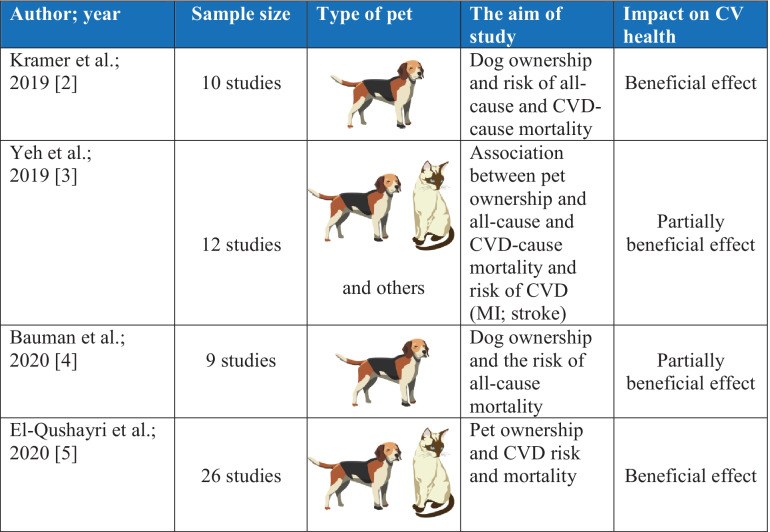
Figure 1. Summary of the results of meta-analyzes assessing the impact of having pets on the risk of death. CV, cardiovascular; CVD, cardiovascular disease; MI, myocardial infarction
Pet Ownership and the Risk of Hypertension
A meta-analysis of studies found that individuals with a pet had lower systolic blood pressures and a significant decrease in heart rate. The blood pressure lowering was especially significant when the participant was contacting the pet directly.
However, the results may be somewhat controversial because the effect may also be influenced by the relationship between the owner and the pet, species of the pet, etc.
A study focusing on the pediatric effects of having pets reported a significantly lower risk of hypertension in children aged 5-17 years with a dog. Other studies have also confirmed that the protective effect increased with a greater number of pets at home.
Possible Mechanisms Mediating the Cardiovascular Benefits of Pet Ownership
It has been found that activity of the parasympathetic nervous system was greater in healthy people who walked their dogs compared to those who walked without a dog. Moreover, staying with a dog at home also enhances nervous system activity.
Potential mechanisms of the beneficial impact of pet ownership may include increased physical activity, dietary improvement, and smoking cessation. Having a pet is considered to be associated with differences in lifestyle that often result in a healthier body.
Limitations
Since this review consists of many different studies and findings, the results may not be as accurate as executing an original experiment. The data included in this review are adapted from other studies analyzed by the review, which may lead to minor inconsistencies and errors. However, it is important to note the overall findings and direction supported by the majority of the studies.
Conclusion
Pet ownership has been shown to have positive effects on the cardiovascular system. Though some studies were drastically different, limiting effective comparison of their results and definitive conclusions, the American Heart Association (AHA) does support that pet ownership is a way to mitigate cardiovascular risk. While it may be tempting to own a pet because of the benefits, they do also caution that cardiovascular disease risk reduction should not be the main motivation behind pet adoption, rescue, or purchase. After all, the benefits of pet owning varies person to person and are very dependent on the pet-owner relationship.