
Introduction
The growing use of oral nicotine pouches is a constant trend in the nicotine and tobacco market. The product, after being labeled "tobacco-free," quickly rose in popularity, especially within young adults and teens. However, many of them are not aware that this 'clean' product could lead to serious public health concerns.
Nicotine, with a detrimental impact on the cardiovascular system, is viewed with much concern. This review aims to summarize and analyze the current understanding of nicotine pouches and the potential cardiovascular risks they pose to teens and the younger generation.
Background of Nicotine Pouches
Due to their small size and various flavorings, oral nicotine pouches are significantly different from the usual nicotine product, tobacco. This distinction appeals especially to younger demographics, emphasizing selling points like "smoke-free," highlighting usage freedom. The product's lack of combustion and secondhand emissions make it seem like a perfect alternative for social and legal restrictions placed on smoking and vaping. Advertisements often reach diverse platforms, most of which are social media platforms viewed by youth.
Nicotine pouch use has seen a continuous, upward trend among adolescents. According to the 2023 National Youth Tobacco Survey, 1.5% of US middle and high school students reported current use, which surpasses the percentage of traditional smokeless tobacco use in this age group. Data also showed significant increases in current use among 10th to 12th graders between 2023 and 2024, rising from 1.3 to 2.6%, which indicates a double in just a year.
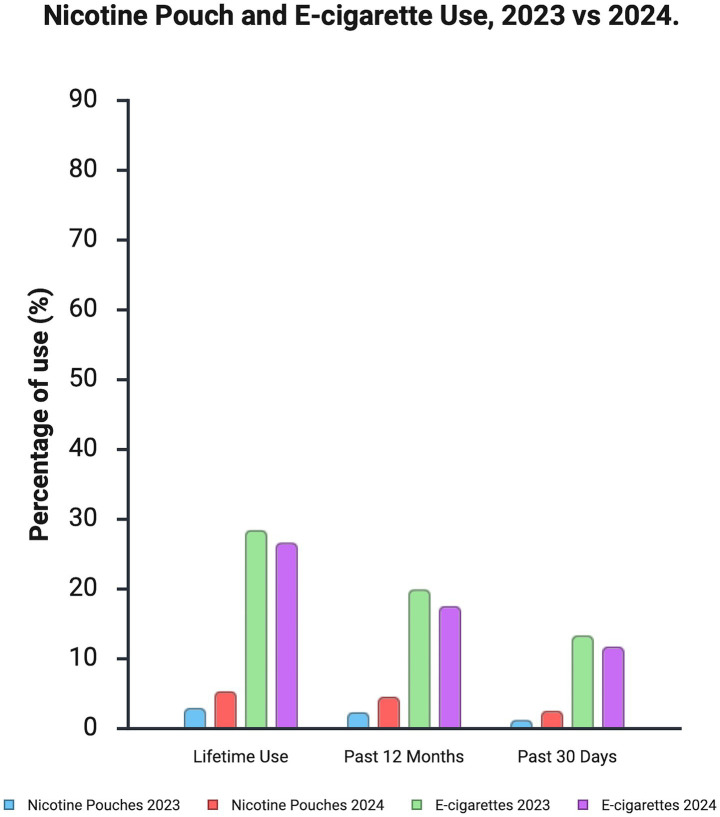
Figure 1. Nicotine pouch and E-cigarette use among 10th and 12th graders in 2023 vs. 2024.
Pharmacology and Cardiovascular Effects of Nicotine
Nicotine's addictive potential is due to its complex interaction with the nervous system, which involves rapid central nervous system penetration and activation of neural reward pathways. Nicotine binds to and activates nicotinic acetylcholine receptors (nAChRs), triggering the release of various neurotransmitters. It stimulates dopamine release, signaling pleasure and increasing drug-taking behavior. Nicotine also increases norepinephrine and epinephrine levels.
Pharmacokinetic studies have proved nicotine pouches to be highly efficient in delivering nicotine. Absorption occurs via the oral mucosa, bypassing first-pass metabolism. Notably, high-dose pouches achieve peak plasma concentrations and total nicotine exposure that meet or even exceed those seen after smoking a cigarette.
Long-term cardiovascular consequences of sustained nicotine exposure are concerning. Nicotine's potential to induce endothelial dysfunction, oxidative stress, and inflammation may play a role in accelerating atherogenesis. Nicotine exposure may be particularly dangerous in the context of existing cardiovascular disease or acute occurrences.
Conclusion
The rapid increase in the use of oral nicotine pouches represents an emerging public health concern. Featuring appealing flavors and labeled as a less harmful alternative, the product delivers easily absorbed nicotine, posing addiction risk and threats to cardiovascular health.
While limitations such as the lack of direct long-termdataa still exist, the known harms of nicotine, combined with high exposure potential from pouches and the vulnerability of the developing nervous system of teens, create serious concern. Future directions of research should be centered on longitudinal studies regarding the long-term cardiovascular consequences in young users.