Introduction
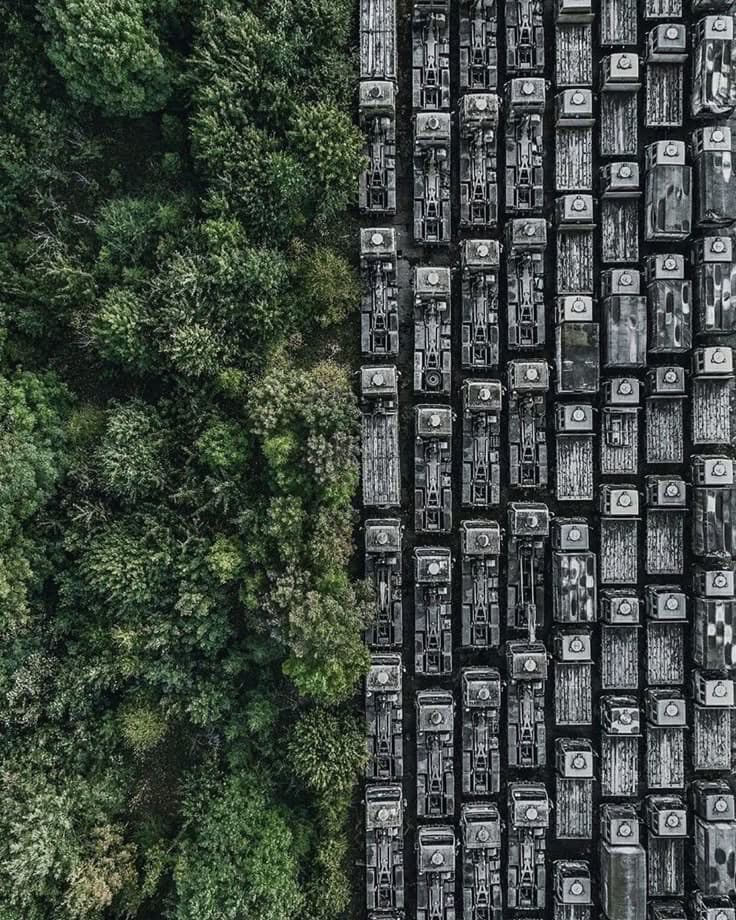
Currently, more than half of the world lives in urban cities, but the increasing growth of urbanization has caused many environmental problems ranging from biodiversity loss to health risks. As urban cities are rapidly developing, there has been a major decrease in biodiversity, and ecosystems cannot be sustained near these urban areas. Using bibliometric analysis, we will see how urban green spaces play a role in sustainable urban development.
Methods
This study researches a wide range of research from a large database, studying thousands of articles from over a hundred countries. Using the statistical tool Bibliometrix R tool and keywords, researchers found trends using the Mann–Kendall test to understand how urban biodiversity research has developed.
Results and Limitations
Researchers have found rapid growth of research over time, and seeing how research is still being developed about the environment. They overall find that diverse ecosystems are more likely to survive disturbances such as disease outbreaks, heat waves, or pollution because different species can fill similar roles if others decline. It has also been found that urban green space biodiversity is linked to lower stress and better mental well-being. When urban development oversteps into our natural green space, people have less restorative environments that could lead to increased stress, declining one’s mental health. Also, urban development increases pollution by adding more traffic, industry, and built surfaces, which raise air and noise pollution while reducing the natural ability of photosynthesis in biodiverse green spaces. It also worsens climate impacts by intensifying the urban heat island effect and reducing the city’s ability to regulate temperature, water, and carbon through ecosystems.
The study does not discuss to a full extent of the cause and effects of the relationships in the ecological world. The study uses bibliometrics and publication patterns to find data rather than fully looking into each paper. It can oversimplify nuanced and complex studies since it makes a generalization rather than in-depth details.
Conclusion
Urban green space biodiversity is essential for improving human well-being and achieving sustainable urban development. Centered around three main themes, biodiversity patterns, ecological functions, and sustainability linked to human health, we will need to study green space in the less urbanized area and urban ecotone, the human impacts, and managing urban green space to understand this issue further.