Introduction
The article studies drug microbiome interactions, which are defined as the effects that medications and gut microorganisms have on each other inside the human body. The focus is on Parkinson’s disease treatment, particularly levodopa, which is defined as the primary drug used to increase dopamine levels in patients.
Parkinson’s disease is a neurodegenerative disorder defined by the progressive loss of dopamine-producing neurons, leading to motor symptoms such as tremors and slowed movement. Because patients often take multiple medications over time, the study examines how co-prescribed drugs can influence gut bacteria and, in turn, affect treatment outcomes.
Methods
The study is a microbiology and pharmacology investigation that combines experimental lab testing with microbial analysis. It examines how specific Parkinson’s-related drugs interact with gut bacterial species and how these bacteria metabolize or modify medications.
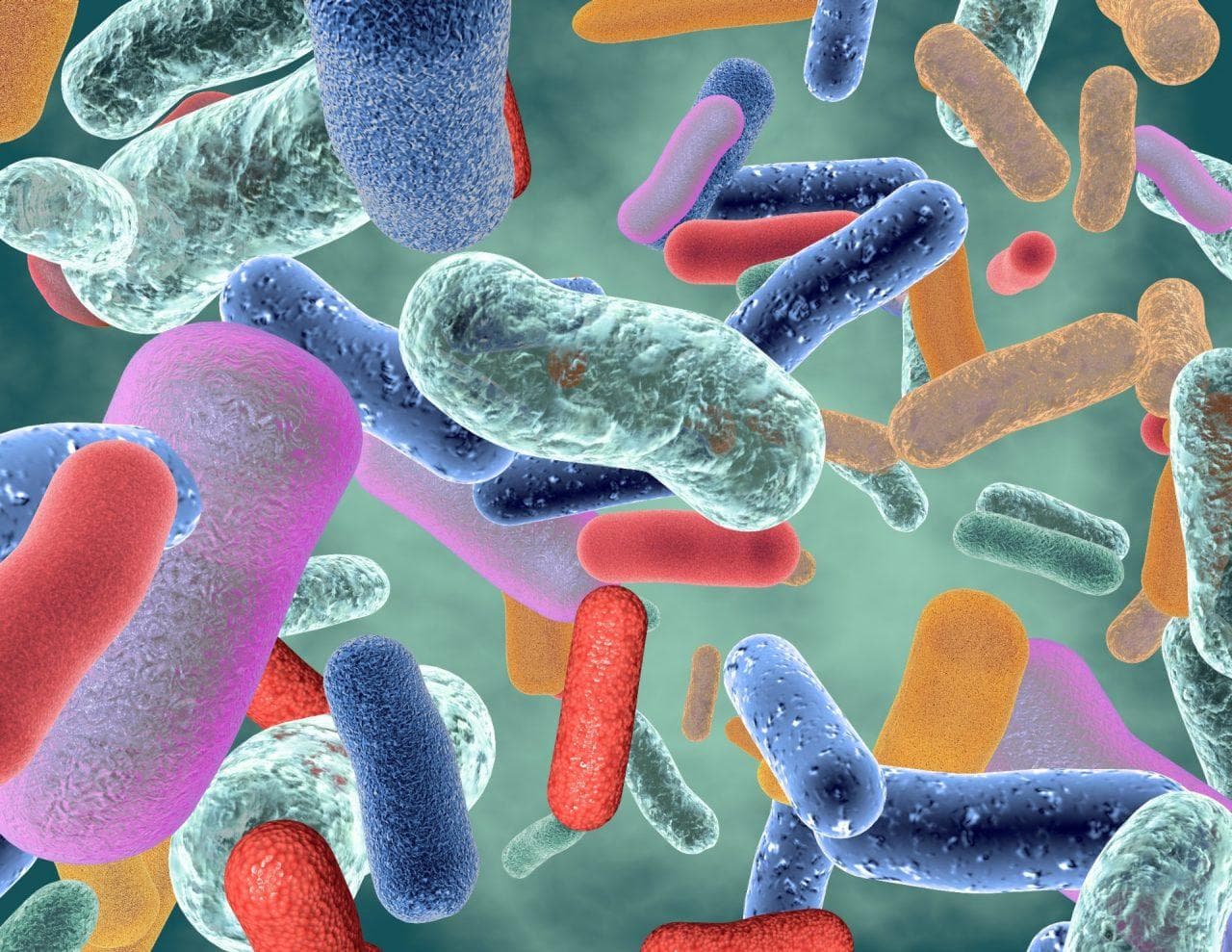
A key focus is the gut microbiome, which is defined as the collection of microorganisms living in the digestive tract that can influence metabolism, immunity, and drug processing. The researchers test bacterial growth, enzymatic activity, and drug breakdown pathways to understand how medications change microbial behavior and how microbes alter drug effectiveness.
Analysis
The analysis focuses on bi-directional drug–microbiome interactions, meaning that drugs affect microbes and microbes also affect drugs.
One major finding is that certain Parkinson’s addon medications, specifically COMT inhibitors, can alter the composition or activity of gut bacteria. These bacteria may then increase the breakdown of levodopa before it reaches the brain, reducing its therapeutic effectiveness.
The study frames this as a drug, microbiome, drug interaction, which is defined as a feedback loop where a medication changes microbial activity, and those microbes then modify the behavior of another co-administered drug.
Key system components analyzed include:
• bacterial species capable of metabolizing levodopa
• enzymatic pathways that degrade or modify drugs
• changes in microbial abundance under drug exposure
• interaction effects between multiple co-prescribed medications
Results / Findings
The results show that certain Parkinson’s add-on drugs can unintentionally promote gut bacteria that interfere with levodopa metabolism. This leads to reduced availability of levodopa, meaning less of the drug reaches the brain where it is needed.
The study also finds that individual differences in gut microbiomes contribute to variability in how patients respond to the same medication. This supports the idea that drug effectiveness is partly dependent on microbial composition.
Overall, the findings demonstrate that:
• gut bacteria can directly degrade or alter levodopa
• co-prescribed drugs can unintentionally worsen this effect
• microbiome differences help explain variation in patient drug response
Conclusion
The article concludes that drug effectiveness in Parkinson’s disease is not determined solely by human biology, but also by interactions with the gut microbiome. A drug–microbiome interaction is defined as any situation where medications and gut bacteria influence each other’s activity.
This means that successful treatment may require considering both pharmacology and microbiology together, especially in patients taking multiple medications. The study highlights the importance of personalized medicine approaches that account for microbiome differences when designing treatment strategies.