Introduction
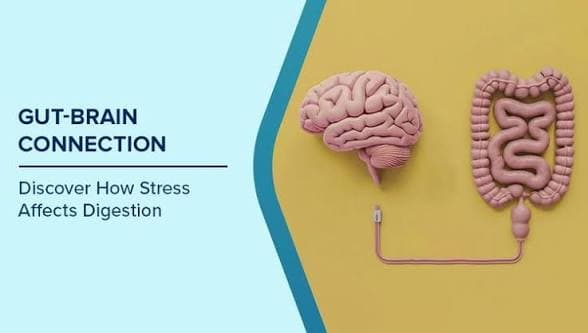
We all have stressful moments in our lives. The influence of stress is not limited to the psychological condition of a person but includes digestive processes too. The brain and the gut are connected through constant communication. This fact means that the nervous system influences digestive processes. The condition when the brain and the gut are connected is called the brain-gut axis. Moreover, there are bacteria in the gut that play a vital part in digestive processes and can be involved in this process, creating the brain-gut microbiota axis.
Chronic stress is one of the reasons for the development of digestive and psychological diseases. Still, there are some other reasons apart from stress that can cause the disorder. It is necessary to mention that the problem of the connection between stress and some diseases is extremely relevant regarding irritable bowel syndrome and inflammatory bowel disease.
How Does Stress Impact the Gut?
When the individual experiences stress, he or she will enter a stage of the stress response. This stage is inevitable, as it helps the body cope with the stressors. Nonetheless, persistent stress might be very harmful to the organism and cause harm to several systems of the body. One of those systems is the digestive system.
The relationship between the brain and the stomach is bidirectional and, thus, the effect that one system has on the other can work both ways. Those patients who suffer from Irritable Bowel Syndrome and Inflammatory Bowel Disease have higher chances of being diagnosed with anxiety and depression; similarly, people with depression and anxiety can be at a higher risk of having digestive disorders.
Stress affects the digestive system through a number of biological mechanisms. One of those mechanisms is the HPA axis. The HPA axis is the major component of the stress response, and once the individual is exposed to stressors, his/her brain activates this pathway, and hormones like cortisol are released. Long-term effects of the process can impact the brain, immune system, and digestive system. Cortisol enables the body to respond immediately to stress, while prolonged alterations in this hormone can interfere with the normal functioning of the immune and digestive systems.
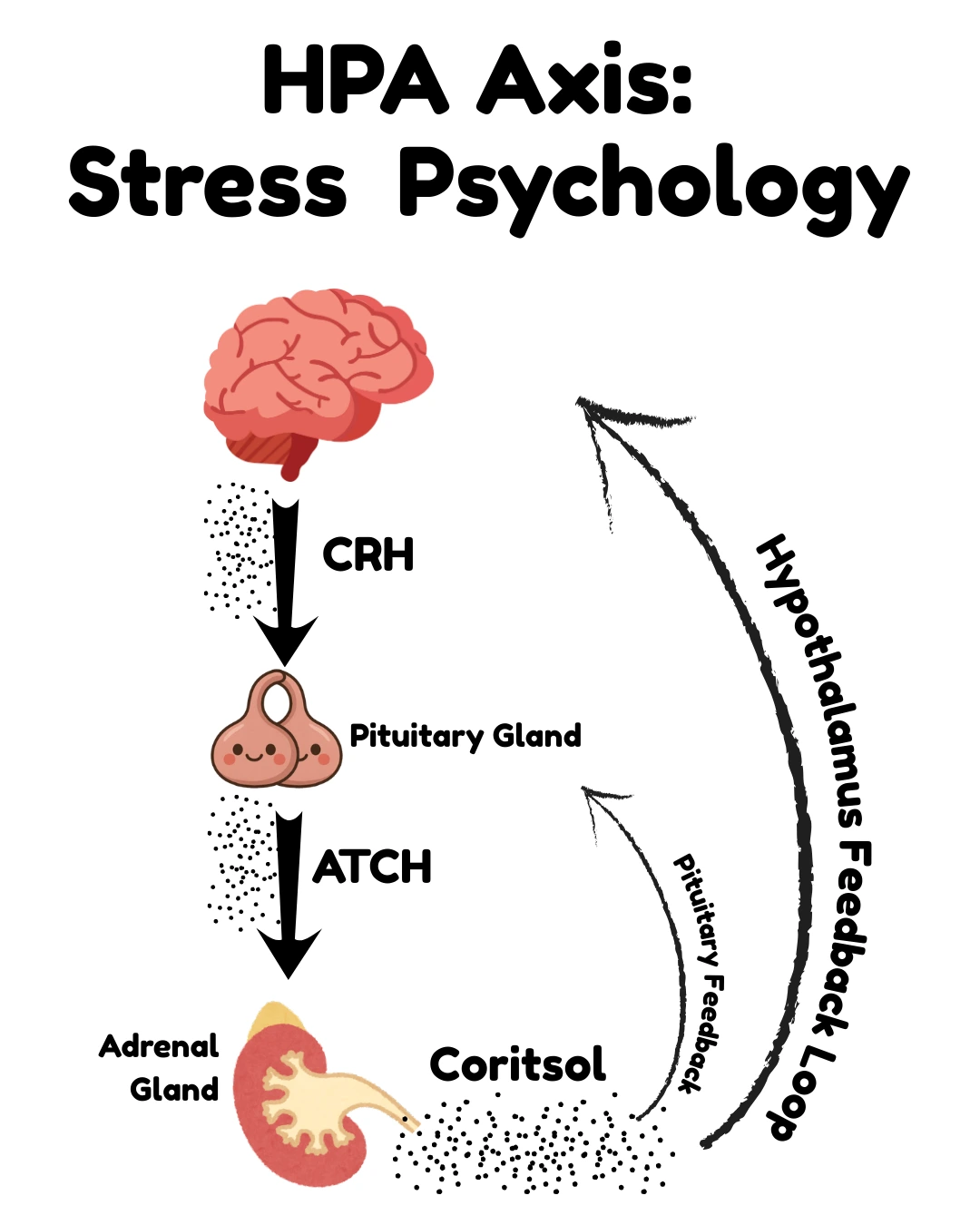
Early Years TV, “Stress Psychology: HPA Axis and Sympathetic Response,” HPA Axis infographic, 2025
Other biological systems that can be impacted by stress include the immune system and gut microbiome. At times, stress can impact the microflora present in the gut, and any changes in the gut microbiome can affect brain-gut communication. Stress can affect the mobility and responsiveness of the gut, which results in pain, bloating, diarrhea, and constipation. The gut microbiome can communicate with the brain using various pathways, including the nervous system, immune system, and metabolic products. This is because there exists a bidirectional interaction between the gut and brain; thus, changes in the gut can affect the brain as well.
Results
Stress is linked to gastrointestinal problems, and in some ways, it can aggravate some types of gastrointestinal problems. Stress does not necessarily cause the problem but acts as a trigger or symptom of the problem rather than the cause of the problem. It is possible for different people to react to stress based on a number of factors like genetics, environment, resiliency, and coping mechanisms.
The other concept is called allostasis,s which means that the body adjusts itself physiologically to stress. The immediate stress reactions can be considered positive because they help the body cope with stress, but when the stress is too intense or prolonged, it results in disruption in stress systems in the body. Prolonged stress results in complications involving the brain, immune, and digestive systems.
Stress and digestive problems thus have a complicated connection that is not consistent across individuals. Stress appears to play an important role in aggravating symptoms, but not in causing diseases like IBS and IBD. This becomes even more relevant when we look at the difference between IBS and IBD, since IBS entails problems with the functioning of the intestines, whereas IBD is characterized by inflammation and changes to the physical structure of the intestines.
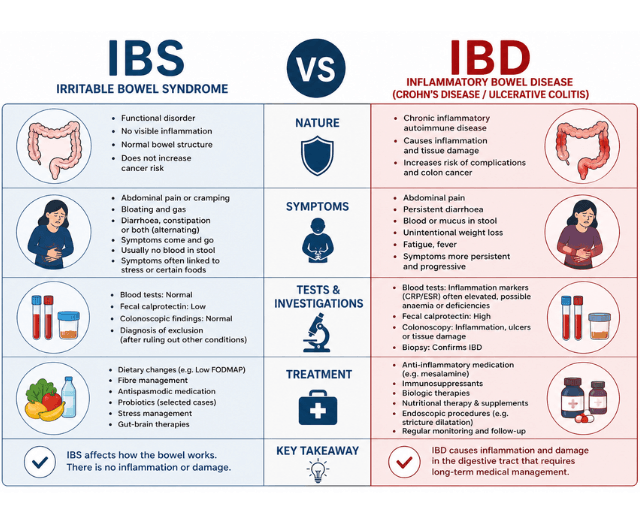
Dr. Eduan Deetlefs, GI Doc Cape Town, “IBS vs IBD” infographic, 2026.
Conclusion
Thus, the brain-gut connection is quite evident. In addition to affecting one's mental health, stress affects the digestive tract and enhances the symptoms associated with it. Brain, gut, and gut microbiota are linked together during the process called the brain-gut microbiota axis.
It is worth saying that the connection is two-directional,l and not only can the brain affect the gut, but changes in the latter can also send messages back to the former. The HPA axis, cortisol, immune system, nervous system, and gut microbiota are involved in this communication process.
Overall, stress cannot be considered the main factor leading to the development of disorders related to digestion or psychology. Nevertheless, chronic stress is an important element that may be causing the symptoms and enhancing them. The knowledge of the brain-gut microbiota axis explains how these two spheres are linked to each other.