Introduction
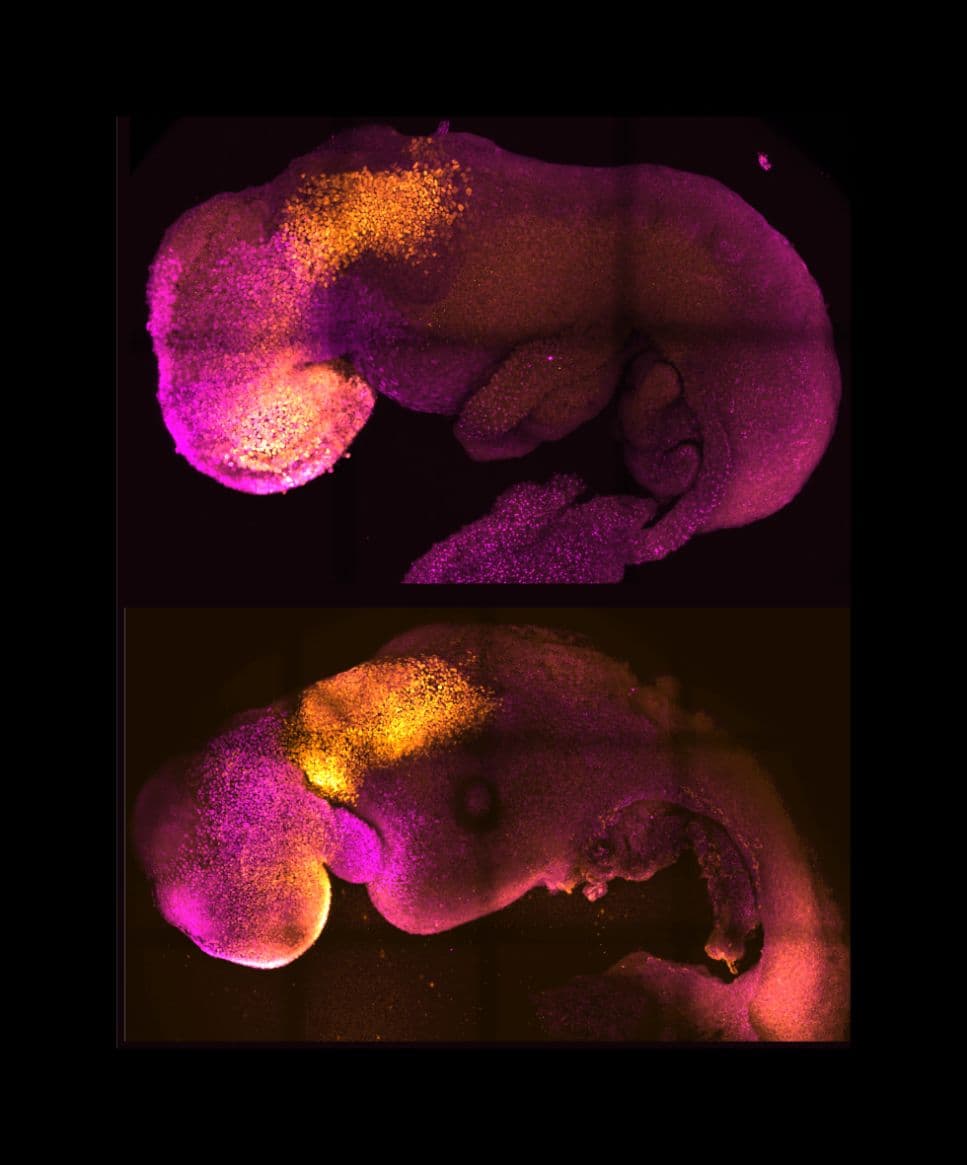
Biotechnology has advanced so quickly that scientists have started to research the development of embryos without eggs or sperm. Instead, scientist use stem cells and their interactions to grow them into an embryo-like structure. These integrated embryo-like structures (ELSs) show blood and organ development and can be used to personalize medicine. However, ethical concerns are being raised about the moral status of human embryos and protecting them.
Discussion
Even without discussing ELSs, the moral status of a human embryo is still being debated. However, most agree that very early embryos have some moral status, and as the embryo develops, its moral status will increase accordingly. Philosophers still question how to judge morality for beings that cannot reason, so we will assume the following for this article: We cannot judge embryos based on our standards for morality, like the ability to feel pain, consciousness, or agency. Rather, their moral status is decided based on their potential to grow into a human being with said characteristics.
Research on embryos has been restricted because of the assumption that embryos have limited morality. Some countries prohibit creating embryos for research purposes, while other countries allow it so long as the research has no other means to experiment. Most embryo research still favors research on natural embryos.
40 years ago, there used to be a 14-day rule that involved only keeping embryos in vitro for 14 days at most for research. This is because around the 14-day mark, embryos are no longer able to twin and will be fully implanted. Another reason why the limit was never extended past 14 days was because, at that time, it was impossible to keep the embryo intact and alive in vitro for longer. However, because of newer technology, it is possible to keep these embryos usable for longer, which raises the debate whether an extension past 14 days is morally acceptable. The 14-day limit marks when we start attributing moral status to the embryo for some because that is when pregnancy is established, but it's unclear if that is a good benchmark because it puts processes like abortion into question. Another perspective is that embryos should not be experimented on based on the idea that advancement is not worth destroying an entity that has a growing moral status.
There are two types of ELSs, integrated and non-integrated. Integrated ELSs include embryonic cells and extra-embryonic cells,s which make it more like a fully formed embryo. Non-integrated ELSs, on the other hand, are a little different; instead, they mimic certain functions of embryos but lack most of the other structures that embryos have. Think of an embryo as a fully articulated robot that can function on its own, an integrated ELSs as a really good copy of the entire robot that relies on someone to control it, and non-integrated ELSs as just the robot's arm that can perform the same functions as the original robot's arm but nothing else.
One of the biggest discussions surrounding ELSs is whether it should be treated as a human. While transferring an ELS to any type of uterus is considered unacceptable, arguably, that ELS could also develop into a human being, so in accordance with our previous assumptions, we should give it the same moral status as a natural human embryo. Hence,e the same restrictions on embryo research should also be applied to ELSs. However, some argue that valuable research can be derived from ELSs, so we shouldn't limit our ability to test on them.
Some options that scientists are considering are genetically modifying the stem cells to prevent the derived ELSs from developing after a certain developmental stage and working purely with non-integrated ELSs. However, it is difficult to decide on a cutoff for integrated ELSs, and results from working with non-integrated ELSs may not be fully accurate.
Conclusion
It is difficult to decide where to draw the line in embryo research, especially when the results of said research could change medicine forever if we weren't limited. Scientists must consider the ethical implications of their research and what differentiates an experimental subject from a human. However, they are carefully discussing guidelines and limitations to prevent unethical use of ELSs and embryos for research.