1. Introduction
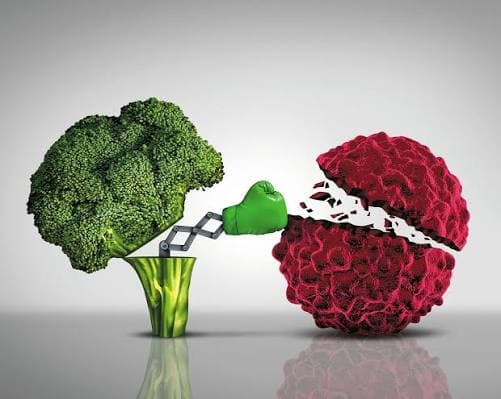
Modern medicine is dominated by pharmaceutical techniques that often overlook simple lifestyle changes that ultimately determine health. This is the idea behind weaponizing dieting as a low-toxicity, co-therapeutic strategy for cancer prevention and suppression. Specifically in chronic cancers, a lifestyle change is required in order for treatment and suppression of the cancer. Food is no longer there for energy but serves as a major biological factor that can change cellular metabolism, oxidative balance, immune modulation, and even gene expression. While diets high in processed foods promotes the development of cancer by causing chronic inflammation, nutrient-rich and plant-based diets actively protect our cells from damage. Health experts estimate that up to half of all cancers are linked to everyday lifestyle factors, but everyday nutrition can serve as a crucial first line of defense in preventing cancer.
2. Types of Diets in Cancer Development
Our food intake directly impacts our risk of developing cancer by influencing inflammation, oxidative stress, and our immune defenses. Plant-based and Mediterranean diets are packed with fiber and antioxidants, which help protect cellular DNA and neutralize harmful molecules. Conversely, Western diets are high in refined sugars and saturated fats which create a toxic cellular environment that promotes insulin resistance and chronic inflammation, promoting disease such as breast and colorectal cancer.
3. Nutritional Mechanisms in Cancer Progression
Cancer cells attack the body's metabolic pathways to promote their rapid, uncontrolled growth. As explained by the Warburg effect, when metabolic pathways are affected, tumors consume more amounts of glucose to grow. However, humans could, to a certain point, control this with out diet. For example, high-glycemic foods spike insulin and growth signals that increase cell growth, while omega-3 fatty acids and antioxidants will trigger apoptosis and reduce the oxidative stress that damages DNA.
4. Dietary Management as Cancer Therapy
Cachexia is a symptom of intensive cancer treatments such as chemotherapy and radiation, in which the patient's body undergoes extreme physiological stress and muscle atrophy. During this time, nutrition habits can be an effective barrier. Foods high in protein and calories can repair damaged tissues and maintain immune strength. Functional foods and specialized nutrients, like glutamine and high-quality omega-3s, are specifically used to improve tolerance to toxic treatments and prevent severe weight and muscle loss. Additionally, Gut dysbiosis is systemic inflammation caused by a poor diet, that not only promotes tumor growth, but also reaches the brain, contributing to the depression and cognitive fog known as "chemo brain." Consuming healthy fibers and probiotics will produce short-chain fatty acids that strengthen immune responses, improving the effectiveness of such cancer treatments.
5. Long-Term Cancer Management: Prognosis and Diet
Damage to metabolic pathways is another symptom of cancer treatment, increasing the risk of patient relapse. However, a long-term diet that is rich in complex carbohydrates, lean proteins, and polyphenols will aid the body in regulating inflammatory and insulin signaling pathways. These bodily responses will prevent remaining cancer cells growing back to relapse. By maintaining a healthy gut microbiome and stabilizing the body's metabolic balance, proper nutrition helps keep tumors dormant and improves overall survivorship.
6. Epigenetic Regulation Through Diet
Epigenetics is the study of how environmental factors affect gene expression, without altering your the DNA sequence. Researchers have since discovered the importance nutrients such as folate and compounds found in green tea, in acting as molecular switches that alter DNA methylation and histone acetylation. These down-regulate cancer-promoting genes and up-regulate tumor-suppressing genes. While these intense diets can potentially reverse harmful epigenetic changes, scientists caution against using extreme, unverified high-dose supplements, as indulging in certain vitamins can have the opposite effect of fueling existing tumor cells.
7. AI and Digital Innovation in Oncology Nutrition
Looking towards the future of cancer nutrition, there is an evident shift away from generic dietary guidelines into personalized, data-driven plans powered by artificial intelligence. By utilizing AI algorithms into wearable biosensors that monitor real-time glucose, heart rate, and inflammation, doctors can more effectively alter a patient’s diet to their changing metabolic needs. While this digital shift promises promising improvements in targeted medicine, limitations such as cost, resource availability, and ethical considerations affect the ability to make these devices more pervasive.
9. Emerging Trends and Future Directions
Oncology is rapidly progressing toward precision nutrition: customizing each patient's diet based off the specific genetic and metabolic markings of a tumor. By improving targeted techniques such as metabolomics and microbiome profiling, doctors are more easily able to identify exactly which nutrients support tumor growth, and target it's removal - an example can be enforcing a targeted ketogenic diet to starve a highly glycolytic tumor. This approach combines standard medical treatments with biologically targeted diets to maximize the destruction of cancer cells while protecting healthy tissue.
10. Conclusions
Food can be a vital part of cancer defense, influencing all stages of the cancer journey. From initial prevention to active treatment and positive prognosis, diets have the potential to serve as natural treatments. A scientifically backed diet rich in plants, fiber, and healthy fats can provide profound metabolic and immune resilience and aid the body in adjusting to conventional cancer therapies. As innovations in AI, epigenetics, and microbiome science continue to advance, personalized nutrition will increasingly become a crucial component of modern cancer care.