Introduction
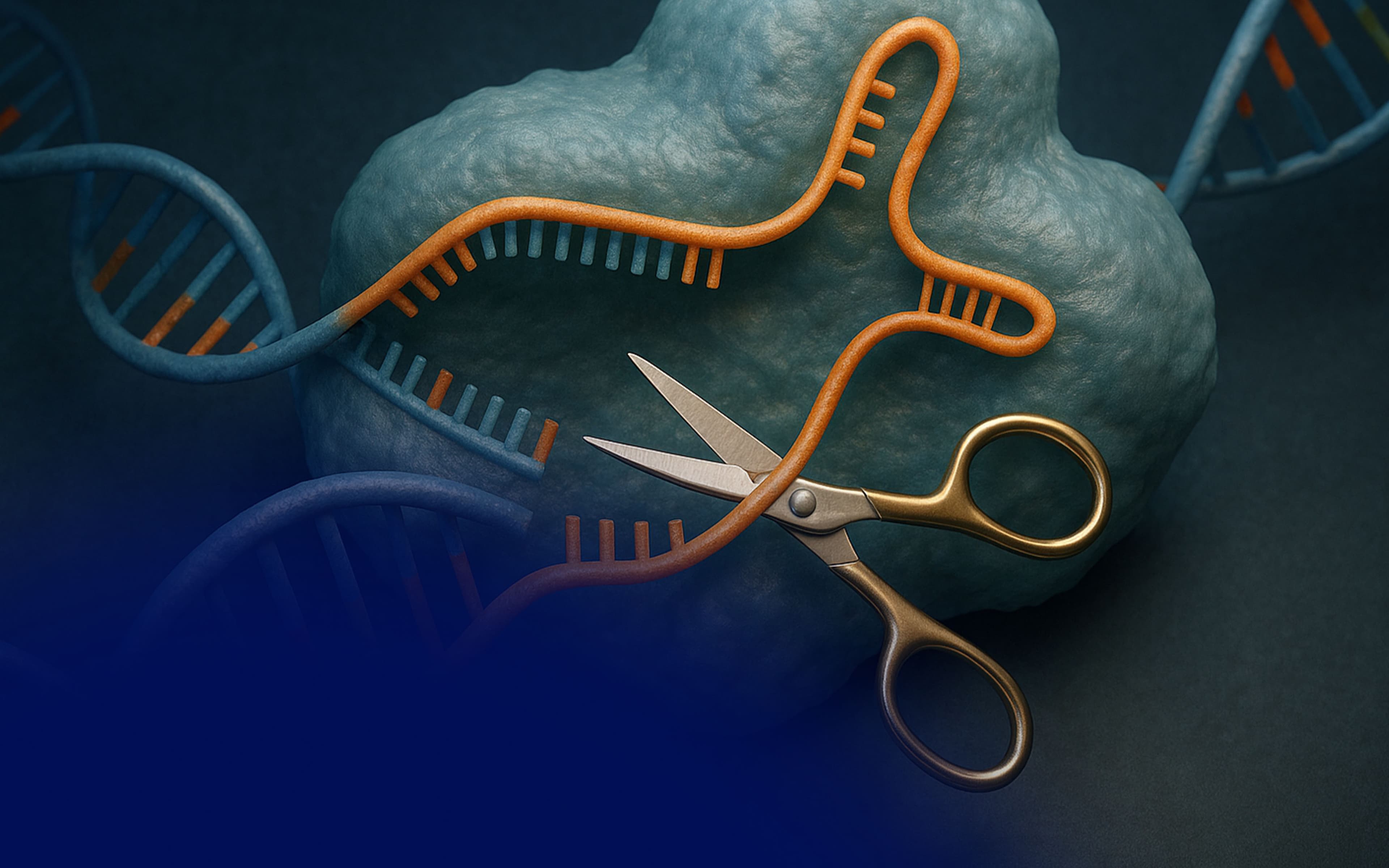
Cancer happens when mistakes or errors occur in our DNA. These mistakes causes the cells to grow out of control rapidly. For quite some time, scientists wanted a tool that could go to the helix and fix those mistakes. And In 2013, they discovered one. It is called CRISPR. CRISPR lets scientists cut and change DNA almost like using tape and scissors. But, Instead of trying to use CRISPR to fix cancer cells, researchers tried something different with this newfound tool. They used it to improve a patient's own immune cells so that those cells could find and kill the cancer. This idea is built upon an older methodology called immunotherapy, which uses modified immune cells to help fight cancer. With this discovery, CRISPR had just made the editing faster, cheaper, and precise. But since this was the first time doctors tried this treatment on cancer patients in the United States, they had one question unanswered. Was CRISPR actually safe?
Discussion
To find out whether or not CRISPR was actually safe, doctors from University of Pennsylvania took samples of immune cells called T cells from different patients. These patients had been affected with cancer that was not getting better from the usual treatment. Two of the patients had multiple myeloma and one had sarcoma. So, the doctors gave the T cells a new gene through CRISPR. These gene worked like a radar, helping the T cells spot markers on the patients' tumors. Then, they used CRISPR to remove the other three genes. Two of those genes would have gotten in the way of the new system. The third gene normally slows down T cells. These upgraded cells then were grown into the millions in a lab. Which after they were put back into each patient after a round of chemotherapy to prepare for the body. Since this was an early study, the goal was not to cure anyone yet. The goal was to see if this kind of editing with the use of CRISPR could be done safely on an actual person. The results were good news for safety. None of the patients' bodies rejected the edited cells. But, CRISPR did make a few accidental cuts in the wrong spots of DNA. The effect CRISPR had on the actual cancer was smaller. Tumors in the myeloma and sarcoma patients stopped growing for a while, but then started growing again. As a matter of fact, the treatment had not work at all for the third patient. To add on, only about 1 in 10 of the edited cells ended up with all the favored changes the doctors had wanted. This shows that even though CRIPSR is a precise tool, it can not completely cure cancer.
Conclusion
With only three patients, this study is too small to prove CRISPR can reliably treat cancer. But that wasn't really the point of this study. The purpose of this was to show that this treatment can be made and done safely. Even without the dangerous immune reactions or new cancers caused by mistakes from CRISPR. And when it comes to the human body, safety comes first. Even though it was not as successful, it still clears the way for bigger studies that can test how well this treatment actually works in due time. Scientists are already using this study as a starting point to test CRISPR edited treatments for other cancers, like blood cancers. If future studies were to show good results, CRISPR could become a normal tool for building not only safer, but smarter immune treatments for patients who struggle with this unfortunate issue.