Discussion
Hypertension (HTN) is one of the major causes of cardiovascular disease (CVD) and chronic kidney disease (CKD). Recent data reveals that more intensive blood pressure (BP) control reduces mortality in patients with CKD who are at risk of CVD and end-stage renal disease (ESRD), the most severe stage of CKD.
There is a controversy of what the ideal BP threshold should be for patients with HTN and CKD. The most recent guideline from the Joint National Committee (JNC) changed the threshold of treatment initiation for patients >60 yr old from 140/90 or less to 150/90 mmHg or less. However, other data suggested that reduction of systolic BP to <140 mmHg in elderly individuals with HTN lowered cardiovascular mortality, stroke, myocardial infarction, and heart failure. The Kidney Disease Improving Global Outcomes BP guidelines (KDIGO) recommended a BP goal of <130/80 mmHg for patients with CKD and moderate or severe albuminuria. Their two major BP goal trials, The Modification of Diet in Renal Disease and African American Study of Kidney Disease and Hypertension, initially failed to slow the progression of CKD in patients. However, a long-term followup of 14-19 years of those patients with proteinuria demonstrated reduced ESRD from the lower BP goal. Furthermore, the Systolic Blood Pressure Intervention (SPRINT) conducted a new study on over 9,000 patients with HTN without diabetes and with high CVD risk. Participants that were treated to a systolic BP of <120 mmHg showed a substantially lower CVD and mortality risk compared to the control group who received the standard treatment of <140 mmHg.
Due to varying results in patients with CKD, the optimal BP target is still debated. There is a need for a novel biomarker in the diagnosis and treatment of HTN. The authors of this article propose that extracellular vesicles (EV) could be a potential tool for detecting an optional blood pressure target for patients with CKD.
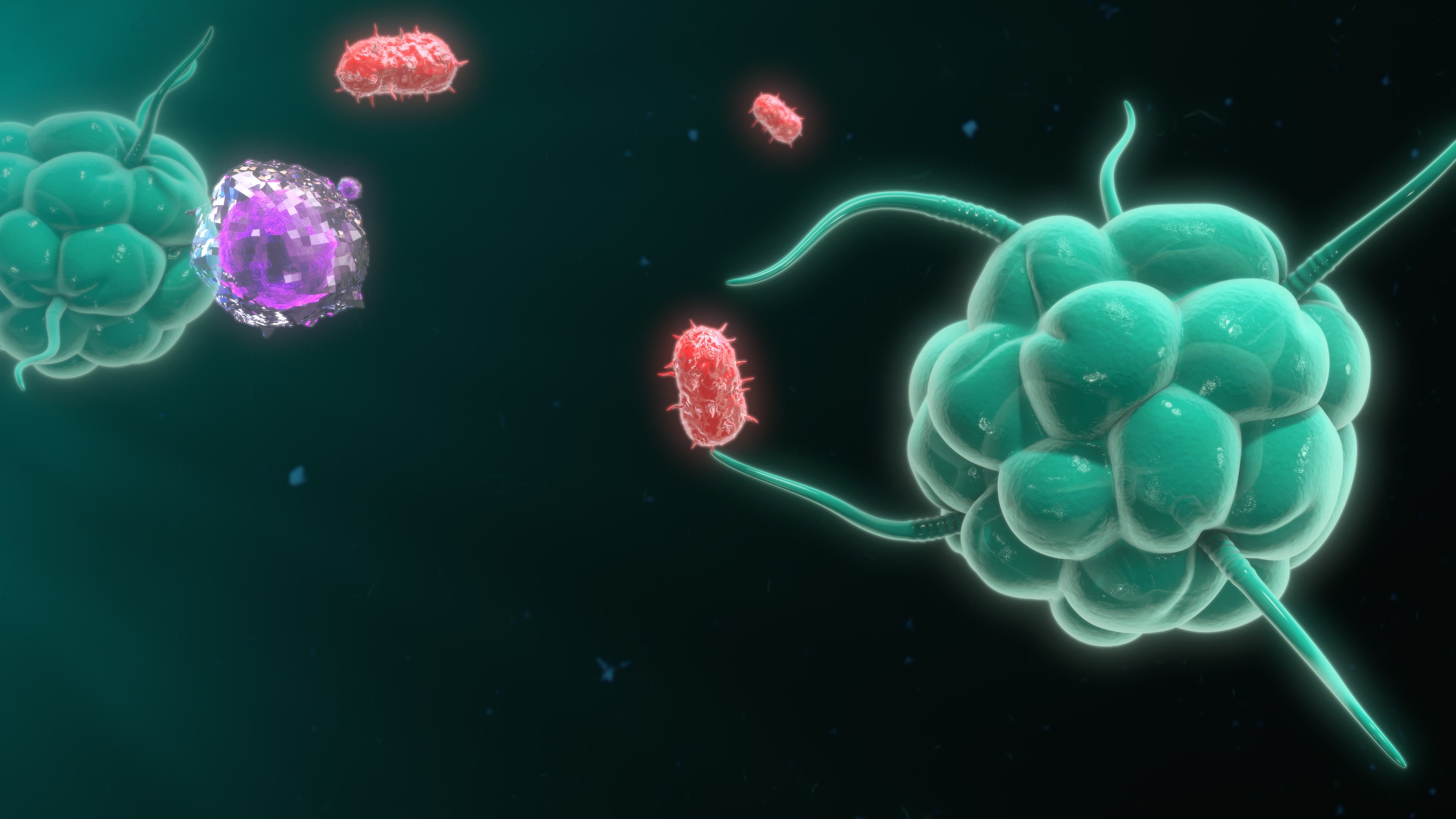
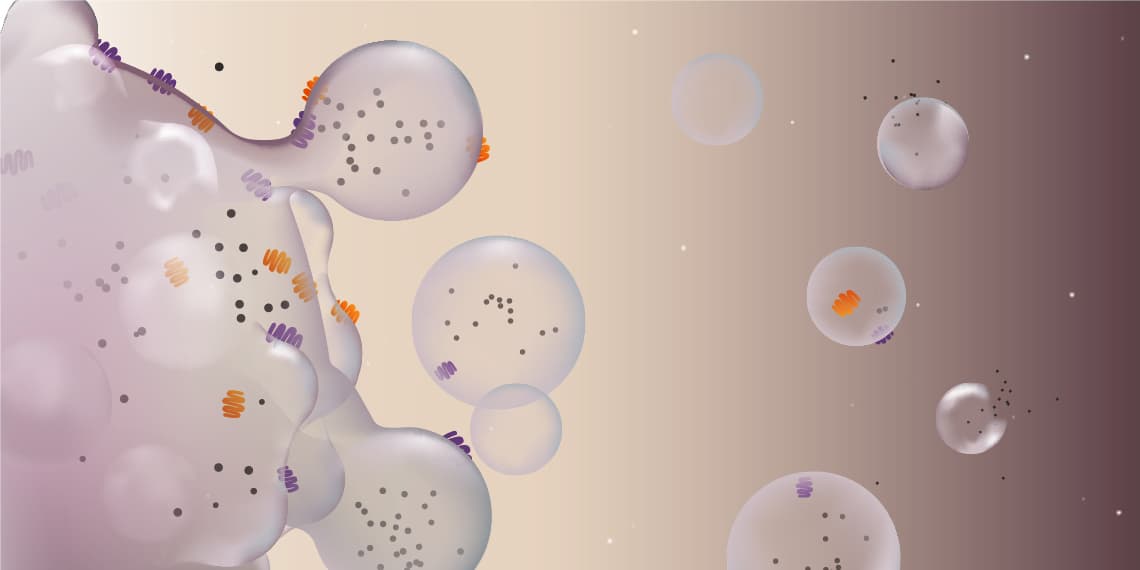
Extracellular vesicles are small membrane fragments that break off from the parent cells. The vesicles are very small, measuring at less than 1 micrometer and carry proteins, lipids, and nucleic acid from the parent cells. EVs are messengers for cell-to-cell and organ-to-organ communication. Most patients with essential HTN demonstrated higher levels of EVs carrying proteins of endothelial origin compared with healthy controls. EV protein cargo is used to mark the severity of HTN and is a potential diagnostic and research tool for patients with CKD.
A study was performed on 95 patients with well-controlled essential HTN to find a correlation between blood miRNA levels and arterial stiffness. They found that miR-21 was strongly associated with improving arterial stiffness in patients with well-controlled essential HTN, independently of their BP. It suggests miR-21 can prompt vascular remodeling and become a prognostic biomarker and therapeutic target for patients with HTN.
Conclusion
The data indicates that EVs have the potential to be novel diagnostic and research tools to indicate the severity of HTN and kidney damage in patients with CKD. Their profiles change with antihypertensive treatment. Further enhanced studies are needed to prove that EVs can define the BP threshold to prevent or delay CKD progression and lower CVD risk.