Introduction
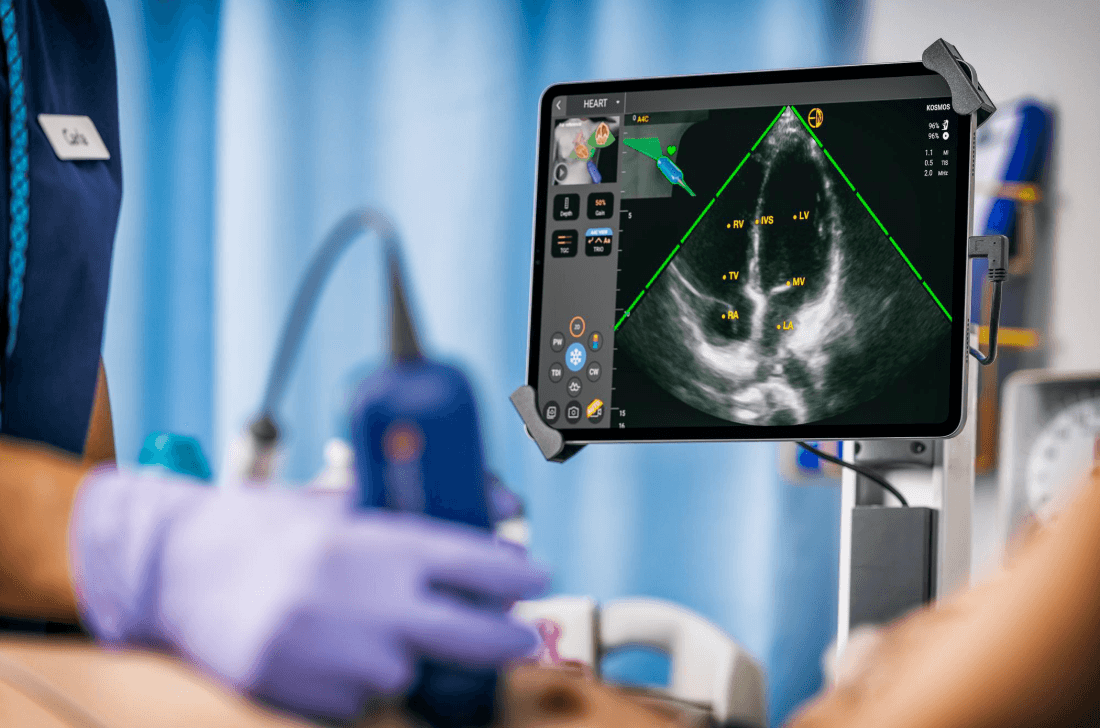
Imagine this: you go to the ER for something totally unrelated to your heart, and while you're there, a doctor does a fast ultrasound of your chest just to double-check everything looks okay. That quick scan is called a POCUS. It's a mini heart video taken with a portable machine, often by someone who isn't even a heart specialist. It's not a fancy type of equipment,t and the video quality is usually grainy and not high quality. Once it answers the one urgent question it was meant for, it usually just gets filed away and forgotten.
The major picture is that the forgotten video might actually be hiding clues about a much bigger problem. Two examples are hypertrophic cardiomyopathy (HCM), where the heart muscle grows unusually thick, and transthyretin amyloid cardiomyopathy (ATTR-CM), where misfolded protein slowly clogs up the heart over time, usually in older adults. Both of these examples will eventually cause heart failure. We now have medicines that can actually slow both diseases down,n but only if doctors catch them early. Currently, a huge percentage of cases go completely undiagnosed because these diseases are quiet and sneaky, and finding them usually takes expensive, specialized imaging.
Methods
First, the researchers had to teach the AI what these diseases actually look like. They trained it on almost 300,000 high-quality heart ultrasound videos from Yale's hospital system; some from patients with HCM or ATTR-CM, and many healthy comparison videos as well. But since real ER footage is messy, they intentionally blurred, flipped, and rotated some of the training videos so the AI would learn to find the disease itself, not just a camera shot with a perfect angle.
The real test for the system was when over 90,000 real ER ultrasound videos from more than 38,000 patients, collected across two big hospitals (Yale and Mount Sinai) over almost a decade, were given to the artificial intelligence. The researchers checked whether the AI's outcome, based on nothing but one ultrasound clip, actually matched up with each patient's real diagnosis. They also made sure to use information like age, sex, and other health conditions, so those wouldn't mess up the results.
Results and Limitations
The AI turned out to be really good at this. Its accuracy score, on a scale of 0-1, landed somewhere between 0.89 and 0.97 depending on the disease and camera angle. This turned out to be really impressive due to the fact that the footage was low quality and rushed. The part that stands out is that for the people who did eventually get diagnosed with HCM or ATTR-CM, the AI had already spotted a warning sign in their old ER scans on average about 2 years before the real diagnosis. The evidence was there the whole time; people just weren't looking for it. Among patients who were never officially diagnosed with either disease, the ones whose scans still had a "high risk" score were more likely to die in the upcoming years. The results were 17% more likely for HCM patterns and 32% more likely for ATTR-CM patterns.
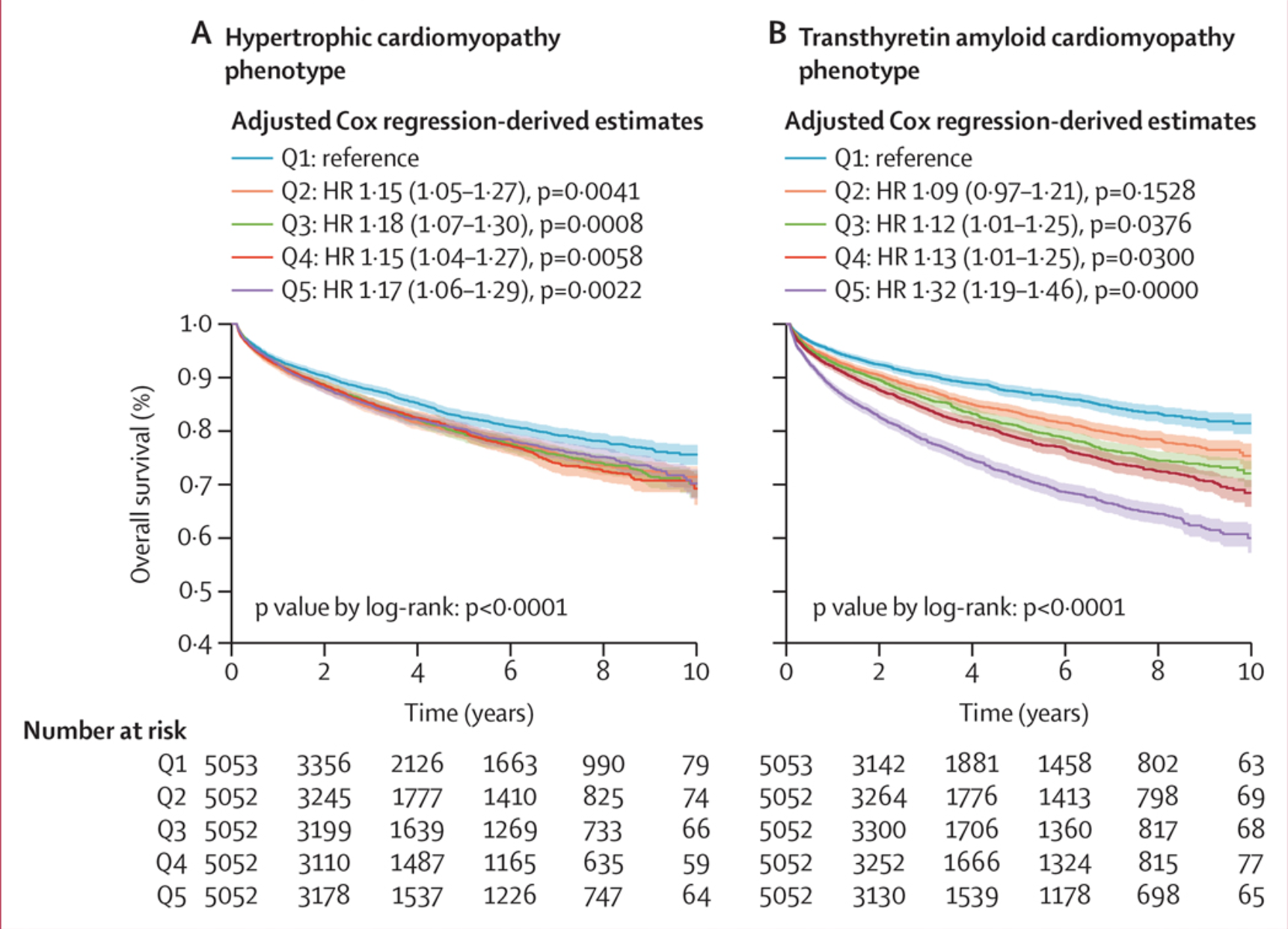
Figure 5
No study is ever 100% perfect. This was a look-back study using old medical records, not a live test. This means there's no way to know for sure whether every AI "positive" flag was actually correct; some could be false alarms. While the AI was tested on real past ER videos, it still needs to be tested live in the real world rather than just looking backward at old records. And importantly, the researchers are clear that this tool isn't meant for split-second ER decisions; it's meant to flag people for follow-ups, not replace a doctor's judgement.
Conclusion
What this study shows is that a cheap, everyday tool that hospitals use might also be used as a hidden screening system for two serious diseases that usually go undetected. Because treatments for both HCM and ATTR-CM already exist, catching them years earlier could change people's lives, especially for those who don't have access to expensive specialist imaging.
The next step is to test this artificial intelligence system in real time, in real hospitals, with real patients, to see if flagging someone early actually leads to a faster diagnosis and a better result.