
Introduction
Sleep deprivation is a common public health problem worldwide. In the US, more than half of school age children get insufficient sleep, affecting around 70% of individuals. Sleep deprivation results in significant decrements in cognition, negatively impacting individual health. Incidences of metabolic disease, cardiac disease, and cancer are all increased by sleep disorders.
Sleep deprivation also disrupts numerous physiological processes causing stress on tissues and organs. This review focuses on levels where acute sleep deprivation impacts gene regulation, potentially affecting protein synthesis. This understanding is essential for future development of therapeutics that mitigate the effects of the lack of sleep.
Consequences of Sleep Deprivation
Sleep deprivation disrupts processes, leading to stress on organs. This section focuses on the impact of sleep deprivation on memory and the underlying molecular and neutral changes induced by the lack of sleep.
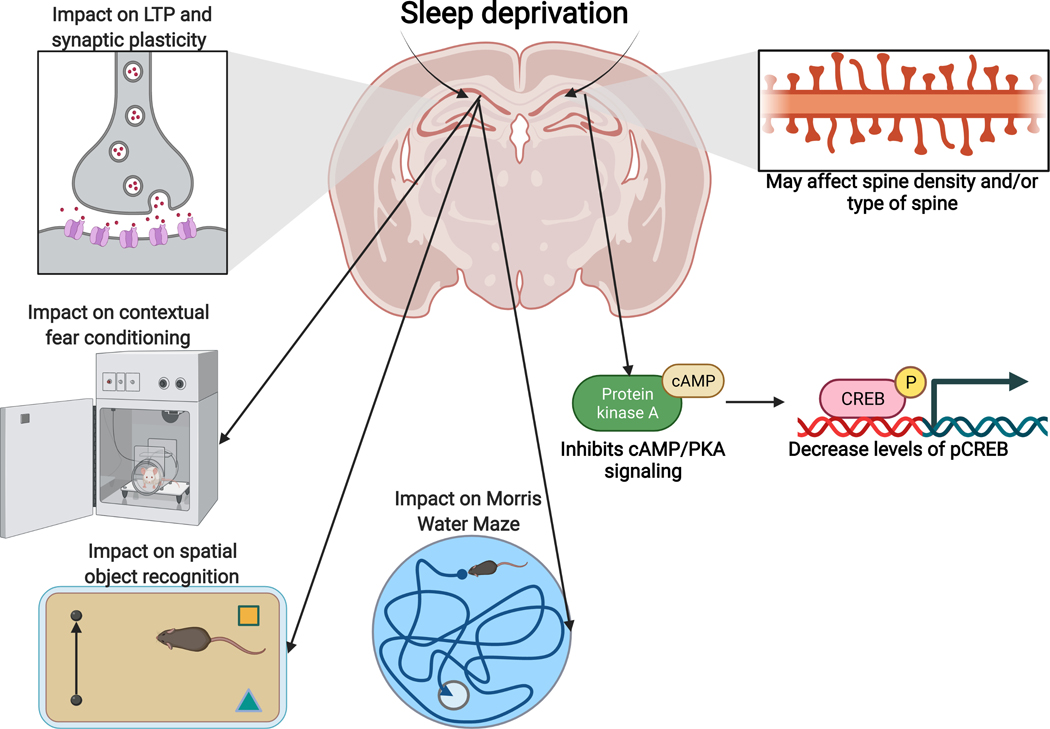
Figure 1. Overview of the impacts of sleep deprivation on hippocampus dependent memory and examples of molecular pathways that are affected.
In humans, fMRI studies have been used to evaluate the effects of sleep deprivation on cognition. Past studies have shown that sleep deprivation affects the hippocampus to be more vulnerable and the cortex with decreases in LTP-like plasticity observed. However, baseline cortical excitability and synaptic strength were increased after the lack of sleep.
The cAMP/PKA pathway may be the most well-studied pathway affected by sleep deprivation. Acute sleep deprivation inhibits the signaling in the hippocampus decreasing cAMP levels. This increase in cAMP counters the molecular consolidation of long-term memory.
Sleep deprivation also affects other kinase signaling pathways including the extracellular signal-regulated kinase (ERK), and MAPK signaling. Brain derived neurotrophic factor (BDNF) is a key regulator of both presynaptic and postsynaptic plasticity, and sleep deprivation also decreased their total levels.
Sleep deprivation also alters mRNA processing, including post-transcriptional processing, which is the step between transcription and translation.
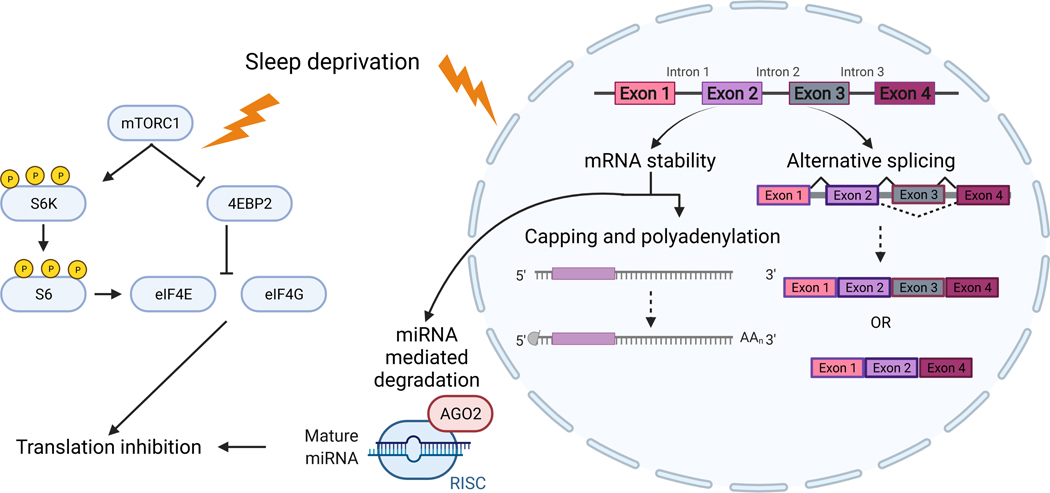
Figure 2. Post-transcriptional processes impacted by sleep deprivation.
In addition to the connections between sleep and neuronal function, sleep deprivation damages multiple organs through oxidative stress and inflammation. It also affects immune system responses, increasing inflammation.
Conclusion
Sufficient sleep is critical for an individual's health both mentally and physically. Both acute and chronic sleep deprivation can induce changes in molecular signaling and gene expression that cause stress on the human body. As the habit of sleeping late becomes increasingly popular among adolescents, it is important to research for ways to mitigate sleep deprivation in future projects.