Introduction
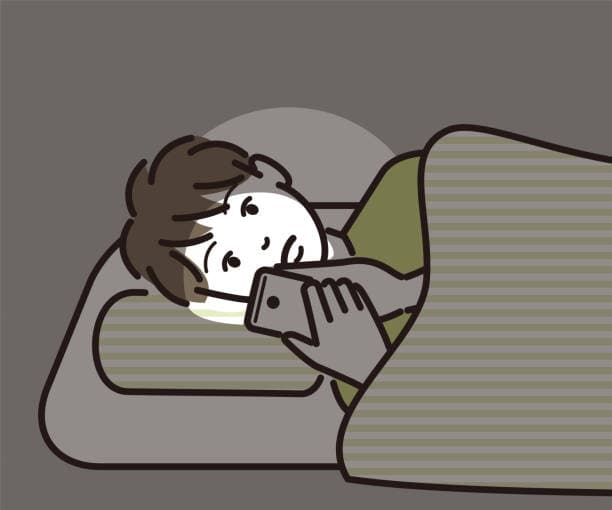
Social media use has become almost the "daily essentials" for adolescents and young adults. With almost five billion people, or 59.4% of the world's population actively using social media, the effect of social media on sleep and mental health has been a popular topic of discussion. Problematic social media, or social media addiction, may have strong negative effects on participants in younger age groups especially. This study aims to review and analyze the associations between general social media use and problematic social media use, mental health outcomes of different practices, and sleep in individuals aged less than 25 years.
Methods
This study utilized databases including PubMed, Scopus, and PsycINFO to search for observational studies and randomized controlled trials involving targeted participants. Searching keywords such as "social media" or specific application names, 182 studies were included in the systematic review and 98 studies provided data for meta-analysis. Following a previously established methodology, a single author of this review screened entries by title, then by full text and supplementary materials.
The data were double-extracted by three original authors and included the following information: basic publication information, study design and demographics of study participants, description of measures, major findings, and statistical estimates of the association between social media use, sleep, and mental health. Pearson correlation coefficients (r) are used to conduct random-effects analyses, measuring the association between the three named factors.
Results and Limitations
Results:
Most studies were rated as being of moderate to high quality, assessing this review's desired variables and measures. For depression, 76.1% of problematic social media use studies found significant cross-sectional association between the two, as compared with 54.2% for general social media use. Similarly, for anxiety, it was 81.3% for problematic use compared with 50.0% for general social media use.
General social media use also had weaker associations with sleep and wellbeing than problematic social media use. Respectively, 69.6% compared with 100% for sleep, and 64.0% compared with 100% with wellbeing.
Limitations:
Though problematic social media use is consistently associated with negative effects, the study's results differed by geographic region, age, and gender. Thus, the results can vary with different extenuating factors, but the overall correlation is still significant.
Conclusion
This review confirms that social media use is generally associated with an increased risk of poor mental health and sleep problems, with problematic social media habits contributing even more to these results.
Future longitudinal studies may be needed to determine the pathways and identify vulnerable populations for targeted interventions on problematic social media use. Although general social media use can be considered safe, behaviors and media habits are major factors contributing to one's metal health and sleep.