Introduction
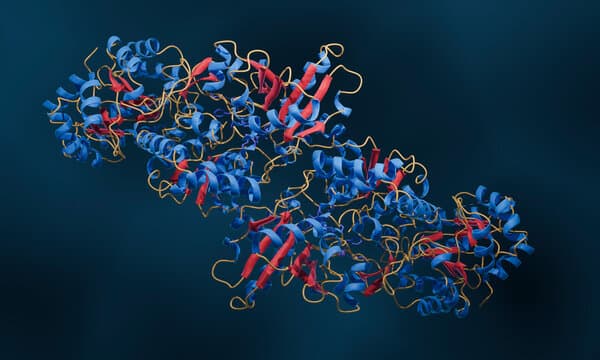
Glutathione-S-transferase µ 1 (GSTM1) is a phase 2 enzyme that belongs to the superfamily of glutathione-S-transferases (GST). Its primary role is to metabolize xenobiotics and deactivate reactive oxygen species (ROS), which can remove harmful substances in the body. GSTM1 can also reduce inflammation and protects the health of vital organs, especially the kidneys. The GSTM1 gene has a complete gene deletion variant that is the most common allele found in about 70% of the global population. Those with the GSTM1 deletion lack the GSTM1 enzyme function to counteract unhealthy toxins. Carrying the highly prevalent GSTM1 null genotype (GSTM1[0/0]) can impair the capacity of the body to handle increased oxidative stress and can cause further progression in kidney disease. Build-up of oxidative stress can also contribute to chronic kidney disease (CKD) development and progression. There is growing evidence suggesting that GSTM1 plays an important role in determining disease susceptibility from prenatal to elderly ages, and can alter the risk of CKD development and progression, as well as other kidney related diseases. A study found that GSTM1 mRNA and protein levels in the kidney decreased in the stroke-prone spontaneously hypertensive rats, compared to the healthy control group consisting of normotensive congenic and Wistar Kyoto rats. Lower GSTM1 expression was inversely related to the kidney tissue levels of ROS. This suggests the GSTM1 gene protects against hypertension (HTN) and oxidative stress.
Discussion
In the prenatal period, there has been an association between GSTM1 and the risk of preeclampsia, a systemic syndrome of pregnancy identified with the development or progression of HTN and proteinuria. The GSTM1 null allele has been linked to higher chances of developing gestational diabetes, which leads to an increased risk of preeclampsia. During childhood, GSTM1 plays a role in removing harmful exogenous compounds and reduces the likelihood of diseases. Children that carry GSTM1 deletion are more likely to develop diseases that produce further risks for CKD and persisting kidney insufficiency. In the Chronic Kidney Disease in Children Study, researchers found that GSTM1 deletion in children is highly associated with advanced stages of CKD and impaired lipid and protein oxidation.
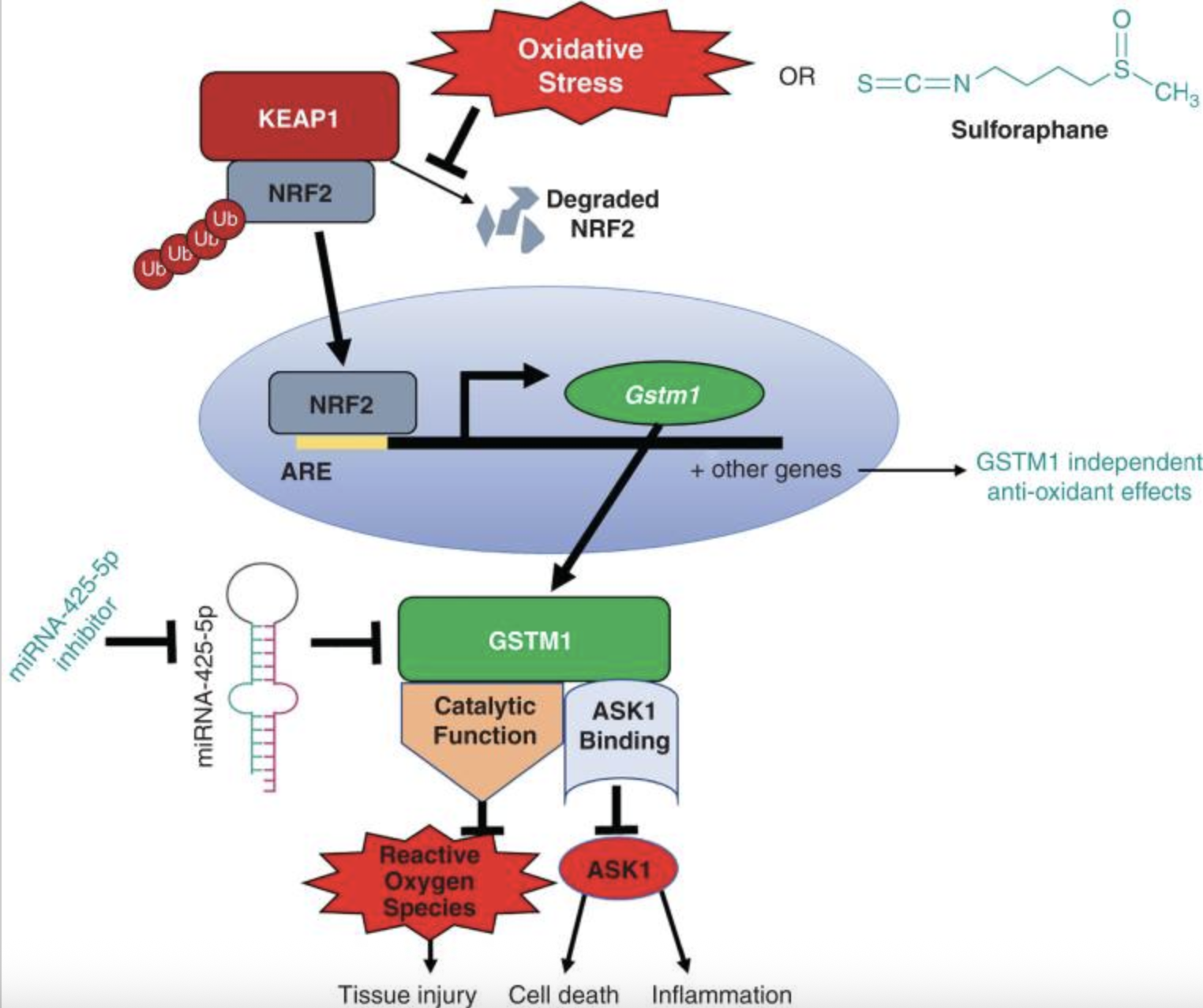
GSTM1 polymorphisms, or other variations of that specific DNA sequence, are linked to the development of chronic diseases in adults. Some of the leading causes for kidney failure and other related diseases in adulthood are HTN and diabetes. With respect to type 2 diabetes mellitus, multiple studies show an increased susceptibility to diabetes in people who carry the GSTM1 deletion gene. A study conducted by the African American Study of Kidney Disease (AASK) found that participants with one or two deletions in GSTM1 were more likely to reach the combined end point of reduced dialysis or death over the 5 year observation period. GSTM1 deficiency in both adults and children with preexisting kidney disease causes disease progression to accelerate due to its function in regulating oxidative stress.
Conclusion
GSTM1 plays a critical role in combating hypertension and oxidative stress levels, and could be used for therapeutic implementations in kidney and other diseases across the life span. However, the major allele status of GSTM1 null allele that is associated with many diseases and detrimental outcomes from prenatal to elderly age remains unclear and requires further studies. Determining the specific effects of GSTM1 deletion and its relative appearances among different racial and ethnic groups can also be valuable for future diagnosis and treatment in kidney diseases.