Introduction
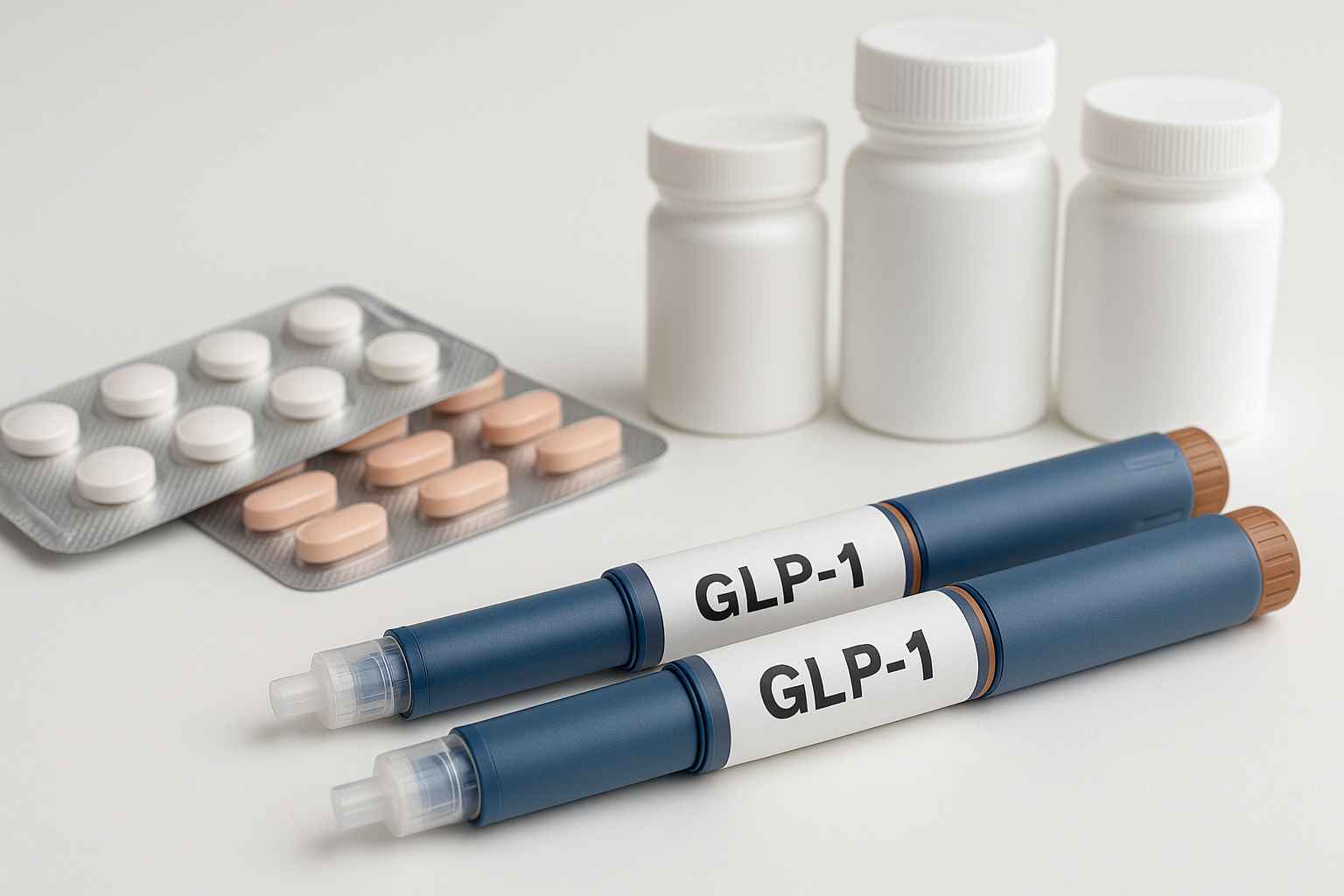
Glucagon-like peptide-1 receptor agonists (GLP-1 agonists) are medications that promote weight loss and improve metabolic health. Weight is a major factor that promotes the development of breast cancer, leading to growing interest in whether GLP-1 agonists could reduce the risk of breast cancer in women. GLP-1 agonists activate receptors for metabolic gut hormones called GLP-1 and glucose-dependent insulinotropic polypeptide (GIP). These hormones are effective in maintaining metabolic health and contributing to weight loss as they lower food intake and blood glucose levels in the body. They can enhance insulin production in people with diabetes. GLP-1 agonists may also reduce systemic inflammation, which is a primary marker of cancer. Although there have been previous studies conducted to explore the role of GLP-1 agonists in preventing cancer, they presented limitations, such as low cancer case counts, unrelated clinical trials correlated to inconsistent descriptions of study populations, lack of diversity, and have not been restricted to women only. The key objective of the authors of this article was to discover whether there is an association between GLP-1 agonists and the incidence of breast cancer in women eligible for mammographic screening who are overweight or obese.
Methods
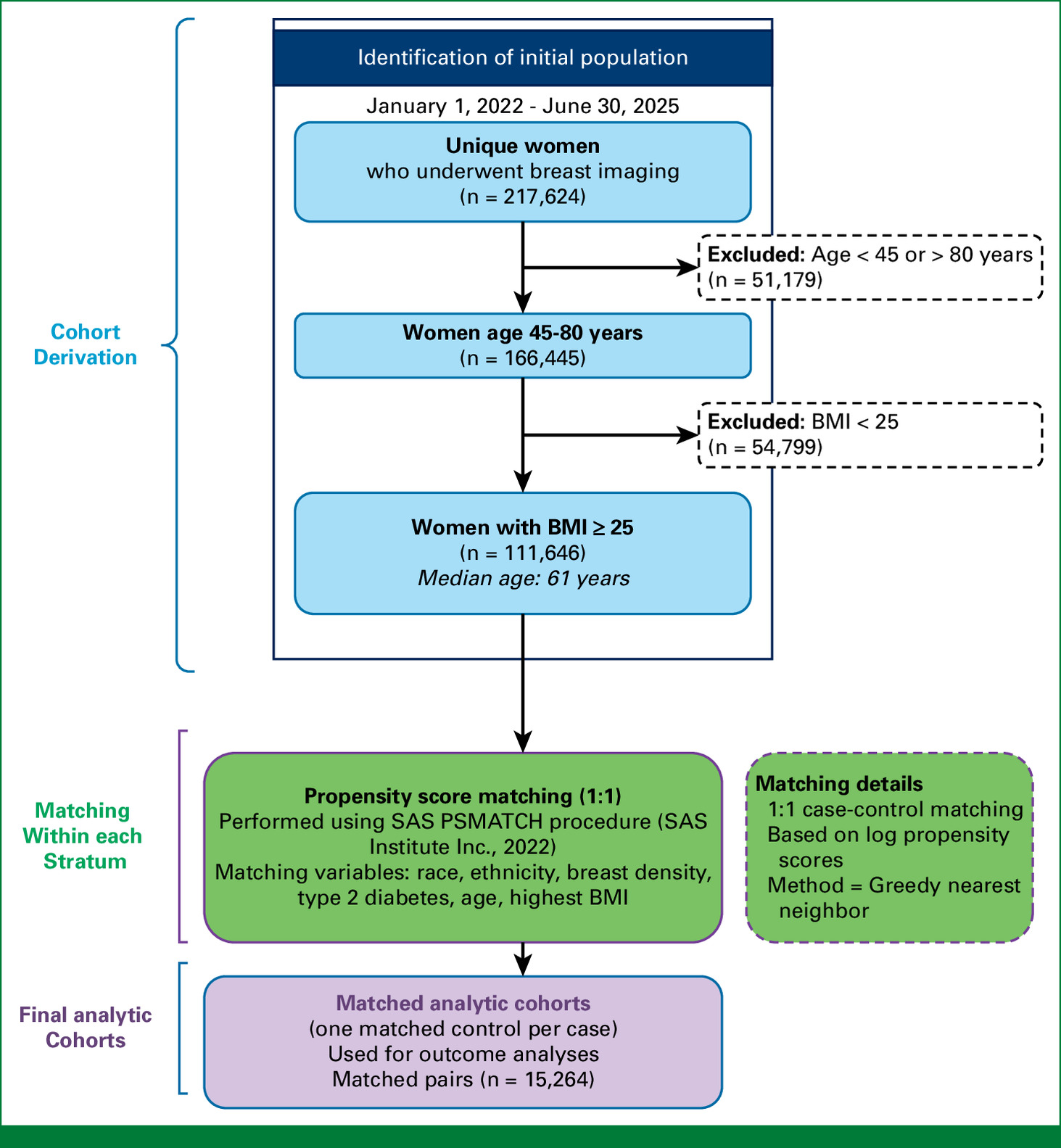
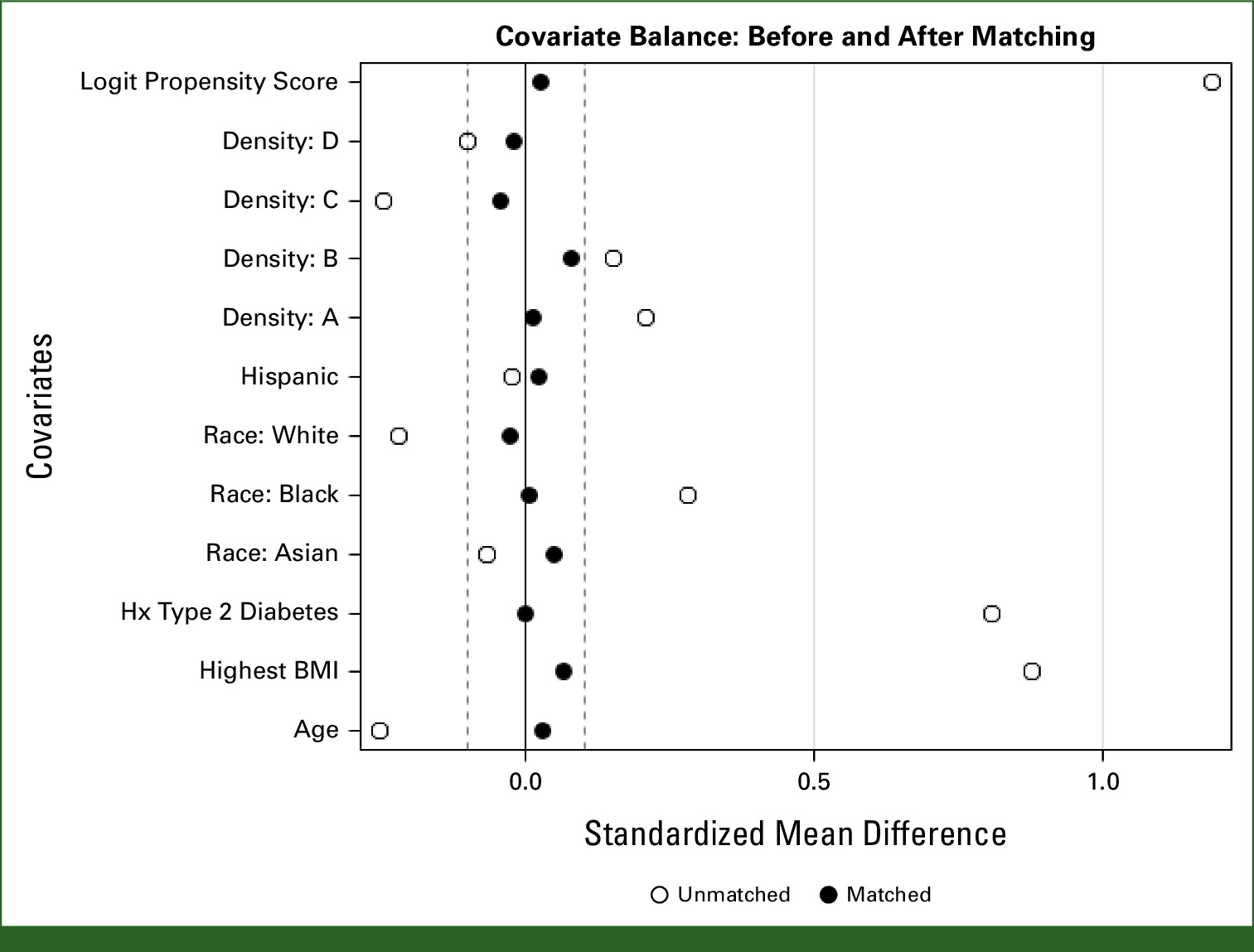
The authors conducted a retrospective, cohort study from January 1, 2022 to June 30, 2025 using electronic medical records from the University of Pennsylvania Health System. The study focused on overweight and obese women using GLP-1 agonists and matched controls. A diverse group of 111,646 women that were ages 45-80 years (median age 61 years) with a body mass index (BMI) ≥25 underwent breast imaging for the purpose of detecting breast cancer. GLP-1 was prescribed to the participants before the examination date and was assessed in relation to their race, ethnicity, age, and type 2 diabetes. To determine potential hidden factors that could change the association between breast cancer and GLP-1 exposure, rigorous case-control matching was performed on each participant using propensity scores on the basis of age, race, ethnicity, highest BMI, breast density, and history of type 2 diabetes.
Results
During the study period, a total of 2,628 (2.35%) women were diagnosed with breast cancer while 109,018 (97.65%) were not. Among those exposed to GLP-1 agonists, 247 (1.62%) developed breast cancer, while 15,017 (98.38%) did not. GLP agonist exposure was associated with a lower incidence of breast cancer (odds ratio [OR], 0.649 [95% CI, 0.569 to 0.741]; P< .0001). The matched logistic regression (30,528 observations; 600 cancer cases) also demonstrated a relation between GLP-1 exposure and lower breast cancer incidence (OR, 0.695 [95% CI, 0.590 to 0.819]; P<.0001). Furthermore, in the matched data analysis of different racial subgroups, the OR for cancer between patients with GLP-1 exposure compared with those without GLP-1 exposure for black and white women were around 0.767 and 0.674.
Conclusion
This study showed that GLP-1 agonists are associated with a lower occurrence of breast cancer in women and are independent of other factors such as age, race, ethnicity, BMI, breast density, and diabetes. GLP-1/GIP receptor signaling may be relevant to breast cancer biology. At a transcriptional level, higher tumor GLP1R expression was associated with improved overall survival in breast and other cancers. A recent cohort study of older adults (≥66 years) with breast cancer and type 2 diabetes found improved survival for patients using GLP-1 agonists compared with those on dipeptidyl peptidase-4 inhibitors. However, the speculation of whether GLP-1 agonists could serve as a solution for cancer prevention needs further long-term studies and well-designed clinical trials to evaluate its direct impact. The authors propose advancing to a randomized trial to evaluate a trifecta of prevention: cancer, heart disease, and the metabolic changes and symptomatology associated with menopause.